



Laxmi vs. Union of India and Others
Case Brief: Laxmi vs. Union of India & Others (2014)
1. Facts:
This case arose after the brutal gang rape of a young woman (Nirbhaya) in Delhi in December 2012, which shook the nation and led to widespread protests demanding stronger laws against sexual violence.
Laxmi, a social activist and petitioner, filed a Public Interest Litigation (PIL) seeking directions to the government to ensure better protection for women, stronger laws against sexual violence, and effective implementation of existing laws.
The PIL highlighted the need for comprehensive reform in laws relating to sexual offences and the protection of women’s fundamental rights.
2. Issues:
Whether the existing laws adequately protect women against sexual violence.
Whether the government has a constitutional obligation to ensure safe public spaces for women.
The scope of the right to life and personal liberty (Article 21) with regard to protection from sexual violence.
What steps the state must take to prevent sexual violence and provide justice to victims.
3. Legal Provisions Considered:
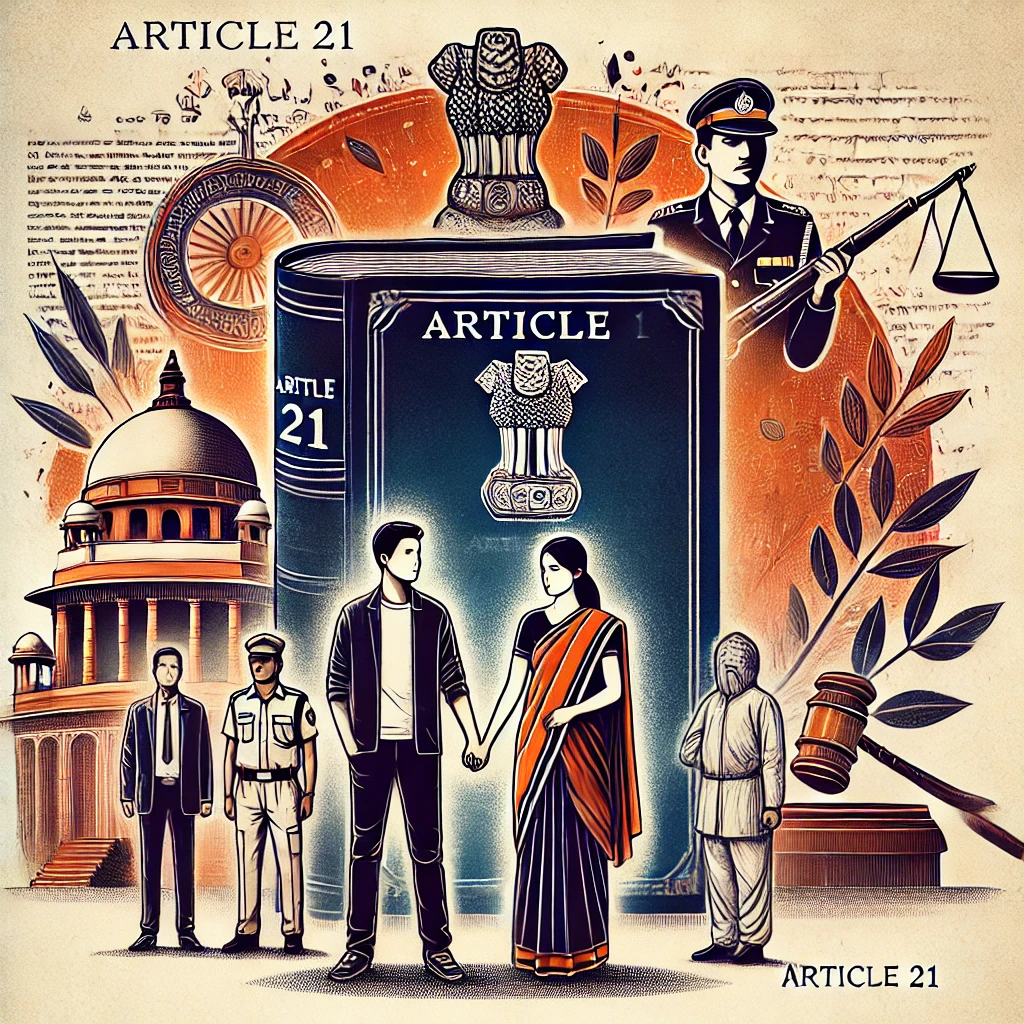
Article 21 — Right to life and personal liberty, including right to live with dignity and safety.
Indian Penal Code Sections relating to sexual offences (including Section 375 on rape).
Criminal Law (Amendment) Act, 2013 — enacted after the Nirbhaya case, which expanded the definition of rape and increased punishments.
Constitutional principles of gender justice and equality.
4. Judgment:
The Supreme Court recognized that sexual violence violates a woman’s right to life and dignity under Article 21.
It held that the State has a positive obligation to protect women’s fundamental rights by ensuring effective laws and their implementation.
The Court emphasized the need for specialized fast-track courts, police reforms, and victim-friendly procedures.
The judgment supported the 2013 amendments to the Criminal Law, which widened the definition of sexual offences and introduced stricter punishments.
The Court directed the government to take proactive measures like awareness campaigns, gender sensitization of police and judiciary, and safety audits of public spaces.
It also stressed on compensation for victims and rehabilitation.
5. Legal Principles and Case Laws Referenced:
Vishakha v. State of Rajasthan (1997) — guidelines on prevention of sexual harassment.
State of Punjab v. Ram Lubhaya Bagga (1998) — right to speedy trial.
People’s Union for Civil Liberties (PUCL) v. Union of India (1997) — the right to life includes right to live with dignity.
The Court reinforced that right to life includes the right to live without fear and violence.
6. Significance:
The case reaffirmed the fundamental right of women to live with dignity and safety.
It placed a constitutional obligation on the State to take proactive and comprehensive measures to prevent sexual violence.
Helped in strengthening legal and institutional frameworks for women’s safety.
Highlighted the need for societal and systemic change beyond just legislation.
Influenced the government and judiciary to be more sensitive and responsive toward crimes against women.
7. Summary:
Sexual violence is a violation of Article 21 (right to life and dignity).
State must ensure laws, enforcement, and support systems protect women effectively.
Criminal law amendments (2013) align with constitutional mandates.
Need for police reforms, victim protection, and awareness.
Courts must ensure swift and fair justice in sexual offence cases.
RELATED Blog






































































































































































































































































































0 comments