



Risk-Register Maintenance And Escalation Process.
Risk Register Maintenance and Escalation Process —
1. Meaning and Concept
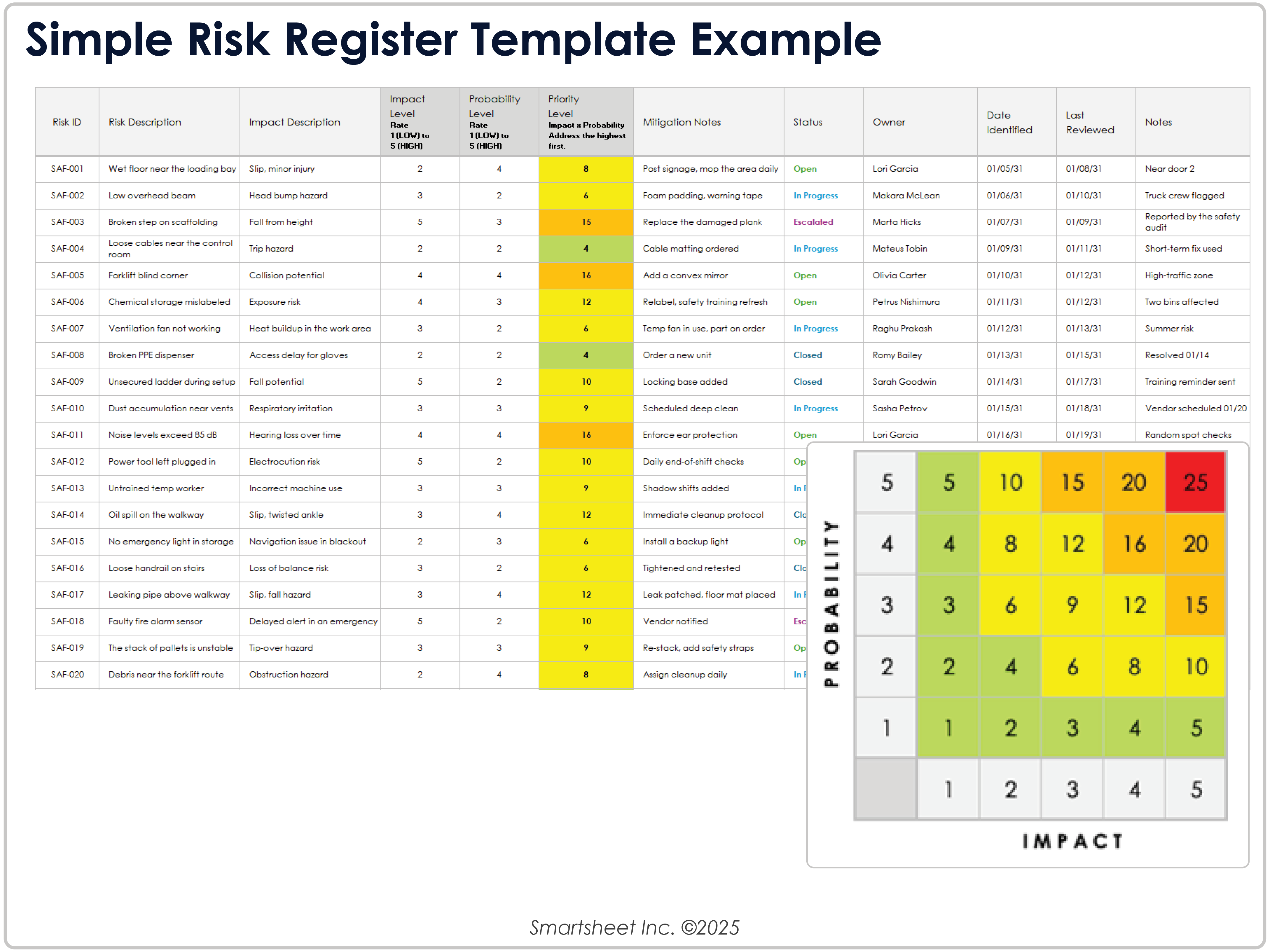
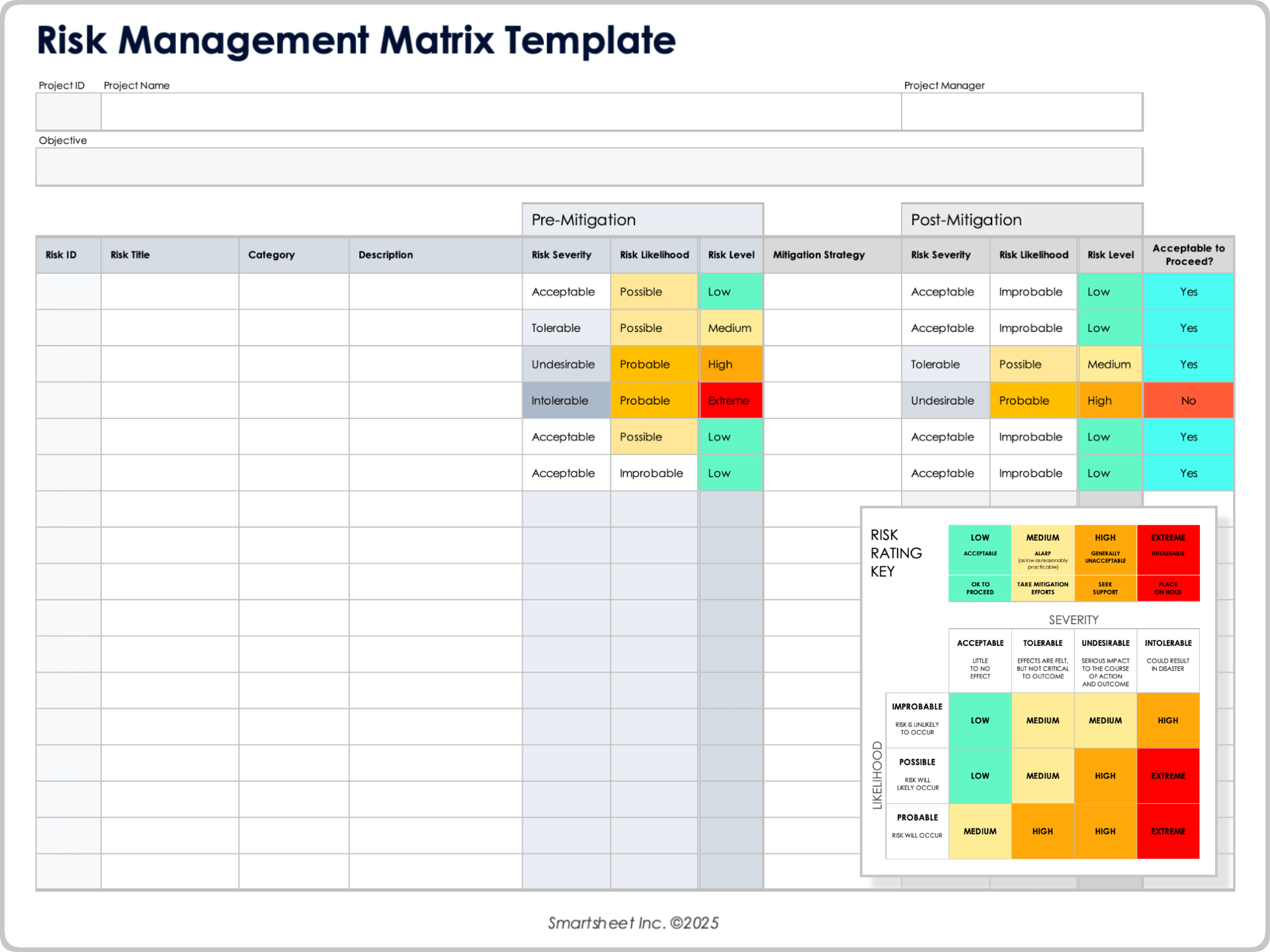
A risk register is a centralized, continuously updated document or system that records all identified risks, their assessment, ownership, mitigation measures, and status.
Risk-register maintenance and escalation refers to the ongoing process of updating risk data and ensuring that significant risks are escalated to appropriate management levels for action.
👉 In simple terms:
It ensures that no material risk is ignored, outdated, or left unaddressed, and that serious risks reach decision-makers in time.
2. Structure of a Risk Register

4
A typical risk register includes:
- Risk ID
- Risk Description
- Category (financial, operational, legal, etc.)
- Likelihood and Impact
- Risk Score
- Risk Owner
- Mitigation Measures
- Status (open/closed/monitoring)
- Escalation Level
- Review Date
3. Risk Register Maintenance
(A) Continuous Updating
- Risks must be regularly reviewed and revised
- New risks added; obsolete risks removed
(B) Periodic Reviews
- Weekly/monthly operational reviews
- Quarterly board-level reviews
(C) Data Accuracy
- Ensure reliable inputs and updated scoring
- Align with real-time business conditions
(D) Ownership Accountability
- Each risk must have a designated owner
- Owners responsible for updates and mitigation
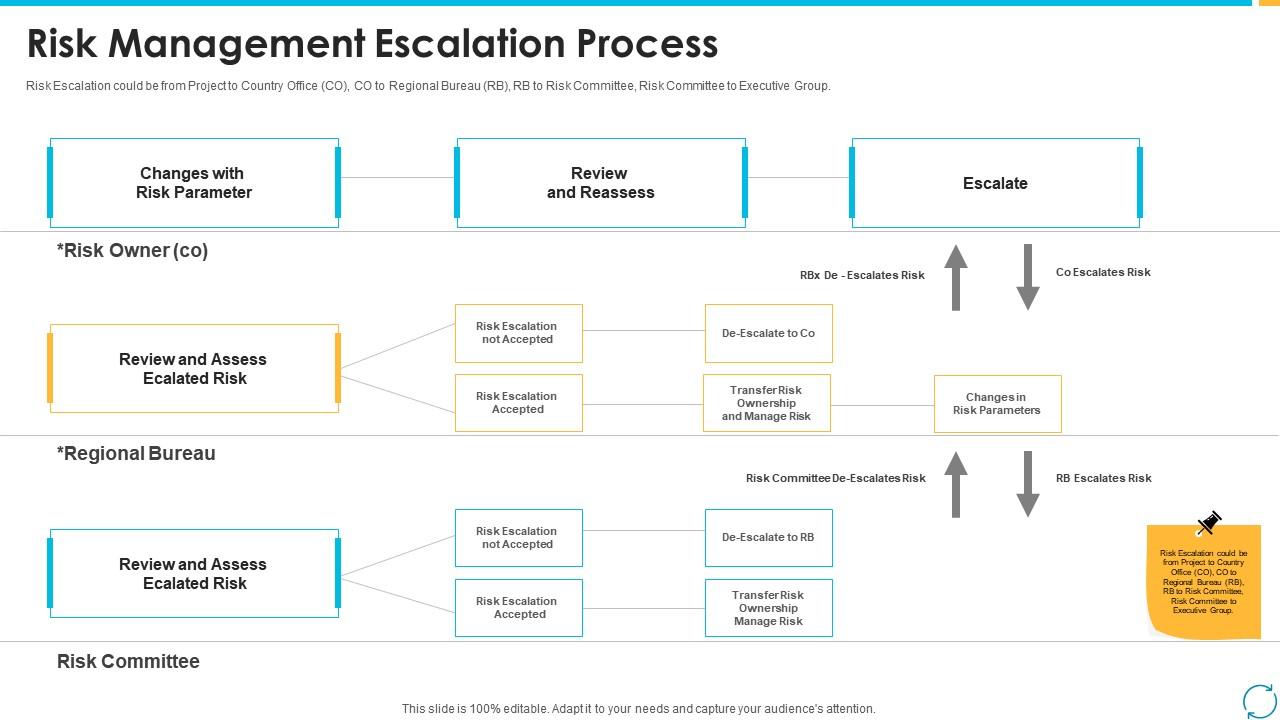
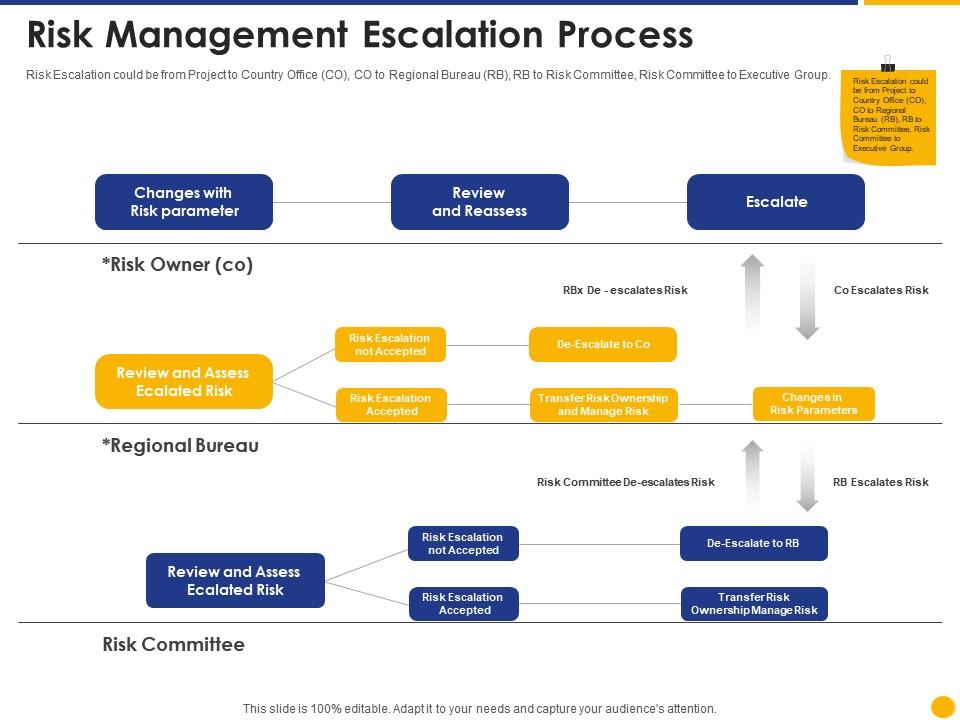
4. Escalation Process

4
(A) Trigger Events for Escalation
- Risk exceeds tolerance thresholds
- Sudden increase in likelihood or impact
- Failure of mitigation controls
- Regulatory or compliance breaches
(B) Escalation Levels
- Operational Level
- Managed by department heads
- Senior Management Level
- Escalated if risk becomes significant
- Board / Risk Committee Level
- Critical or strategic risks
(C) Escalation Mechanisms
- Threshold-based escalation
- Automated alerts (in digital systems)
- Incident reporting systems
- Whistleblower mechanisms (for compliance risks)
5. Objectives
- Timely Risk Identification and Response
- Accountability and Transparency
- Alignment with Risk Appetite and Tolerance
- Regulatory Compliance
- Prevention of Losses and Failures
6. Legal and Governance Framework
Risk register maintenance and escalation are essential for:
- Enterprise Risk Management (ERM)
- Corporate governance codes
- Audit and internal control systems
Directors are legally expected to:
- Monitor material risks
- Ensure escalation systems exist
- Act on escalated risks
Failure may result in:
- Breach of fiduciary duties
- Regulatory penalties
- Personal liability of directors
7. Judicial Perspective — Key Case Laws
Courts assess whether organizations had effective systems for tracking and escalating risks.
(1) In re Caremark International Inc. Derivative Litigation (1996)
- Duty to implement information and reporting systems
- Risk registers are core to such systems
(2) Stone v Ritter (2006)
- Liability arises when directors fail to monitor risk systems
- Includes failure in escalation mechanisms
(3) Marchand v Barnhill (2019)
- No board-level system for escalating critical food safety risks
- Led to director liability
(4) Re Barings plc (No 5) (2000)
- Collapse due to failure in internal controls and escalation
- Senior management unaware of trader risks
- Classic failure of risk register and escalation
(5) ASIC v Healey (2011) (Centro case)
- Directors failed to identify and escalate financial misstatements
- Highlights importance of proper reporting systems
(6) ASIC v Cassimatis (No 8) (2016)
- Directors failed to escalate and address regulatory risks
- Resulted in liability
(7) Re Citigroup Inc. Shareholder Derivative Litigation (2009)
- Recognized need for ongoing monitoring and escalation of financial risks
8. Practical Example
Scenario: IT Company
| Risk | Status | Action | Escalation |
|---|---|---|---|
| Cyberattack vulnerability | High | Patch systems | Escalated to Board |
| Vendor delay | Medium | Alternative sourcing | Managed internally |
| Minor HR issue | Low | Monitor | No escalation |
9. Best Practices
- Maintain real-time digital risk registers
- Define clear escalation thresholds
- Ensure board visibility of critical risks
- Conduct regular audits and reviews
- Integrate with risk scoring and heat maps
- Train employees on reporting and escalation
10. Challenges
- Delayed Updates
- Lack of Ownership
- Poor Communication Channels
- Overload of Non-material Risks
- Failure to Escalate in Time
11. Importance in Corporate Governance
- Prevents corporate failures and scandals
- Enhances board oversight
- Strengthens internal controls
- Supports regulatory compliance
12. Conclusion
Risk-register maintenance and escalation processes are fundamental to effective risk governance. They ensure that risks are not only identified but also actively monitored and communicated to the right level of authority. Courts increasingly emphasize the importance of such systems, and failures in maintaining or escalating risks can lead to severe legal and financial consequences.
RELATED Blog



comments