



Smart-Contract Enforceability
Smart-Contract Enforceability
1. Meaning of Smart Contracts
A smart contract is a self-executing digital agreement where obligations are performed automatically through code, usually on blockchain platforms like Ethereum.
👉 In essence:
“If X happens, then Y executes automatically.”
2. How Smart Contracts Work

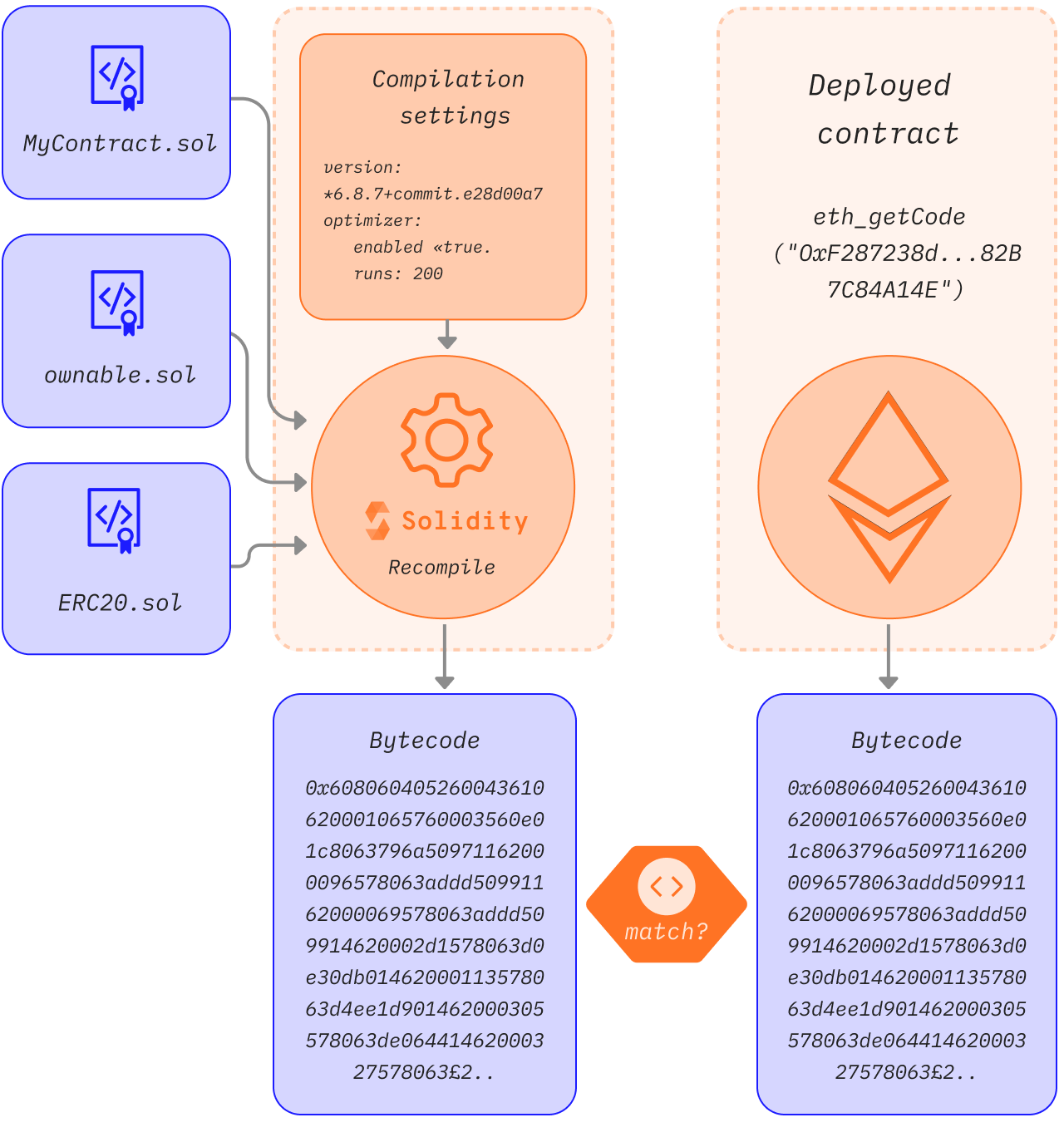

4
3. Legal Recognition of Smart Contracts
Smart contracts are not a separate category of contract. Courts treat them as:
- Either contracts expressed in code, or
- Technological tools executing a traditional agreement
👉 The dominant legal approach:
Technology-neutral application of contract law
4. Requirements for Enforceability
A smart contract is enforceable if it satisfies classical contract law elements:
(A) Offer and Acceptance
- Manifested digitally (clicks, wallet signatures)
(B) Consideration
- Exchange of value (crypto, assets, services)
(C) Intention to Create Legal Relations
- Parties must intend legal consequences
(D) Certainty of Terms
- Code must be:
- Determinate
- Interpretable
(E) Capacity and Legality
- Parties must be competent
- Object must be lawful
👉 If these exist, smart contracts are legally binding
5. Core Legal Issues
(1) Code vs Intent
- Code may not reflect actual agreement
- Courts may override:
- Strict code execution
- In favor of true intention
(2) Irreversibility
- Blockchain transactions are:
- Immutable
- Problematic in:
- Mistake
- Fraud
- Duress
(3) Jurisdictional Uncertainty
- Decentralized networks raise questions:
- Which court has authority?
- Which law applies?
(4) Identity and Anonymity
- Parties often pseudonymous
- Enforcement becomes difficult
(5) Oracle Risk
- External data feeds (“oracles”) may:
- Provide incorrect inputs
- Trigger wrongful execution
6. Leading Case Laws
(1) AA v. Persons Unknown (2019)
- UK High Court recognized:
- Cryptocurrency as property
- Enabled:
- Injunctions over blockchain assets
- Supports enforceability of smart-contract transactions
(2) Ion Science Ltd v. Persons Unknown (2020)
- Court allowed:
- Tracing of crypto assets
- Reinforces:
- Legal recognition of blockchain dealings
(3) Quoine Pte Ltd v. B2C2 Ltd (2020)
- Landmark smart-contract dispute
- Issue: automated crypto trades executed at abnormal prices
- Held:
- Traditional doctrines (mistake) apply
- Court analyzed:
- Intent behind algorithmic code
(4) Tulip Trading Ltd v. Bitcoin Association (2022)
- Raised question:
- Duties of blockchain developers
- Important for:
- Governance and enforceability
(5) CFTC v. Ooki DAO (2023)
- U.S. case involving DAO-based smart contracts
- Held:
- DAO can be legally liable
- Expands enforceability to decentralized systems
(6) SEC v. Shavers (2013)
- Recognized:
- Bitcoin as a form of money
- Strengthens:
- Legal validity of crypto-based contracts
(7) R v. Teresko (2020)
- Criminal liability involving crypto transactions
- Confirms:
- Legal accountability applies to blockchain activities
7. Judicial Approach
Courts adopt a functional and pragmatic approach:
(A) Technology Neutrality
- Apply existing legal principles
- No special category for smart contracts
(B) Substance Over Code
- Focus on:
- Commercial intent
- Fairness
(C) Willingness to Intervene
- Courts may:
- Grant damages
- Issue injunctions
- Reverse unjust outcomes (where possible)
8. Regulatory Framework
(A) UK Jurisdiction Taskforce
- Declared:
- Smart contracts can be legally binding
(B) India
- Governed by:
- Indian Contract Act, 1872
- Valid if traditional requirements satisfied
(C) United States
- States like Arizona:
- Recognize smart contracts statutorily
9. Practical Enforcement Issues
(1) Evidence
- Blockchain provides:
- Immutable records
- Time-stamped transactions
(2) Remedies
- Damages
- Restitution
- Injunctions
(3) Drafting Hybrid Contracts
- Combine:
- Natural language agreement
- Smart contract execution layer
10. Advantages
- Automation
- Reduced transaction costs
- Transparency
- Elimination of intermediaries
11. Risks
- Coding errors (“bugs”)
- Lack of flexibility
- Regulatory uncertainty
- Consumer protection concerns
12. Critical Analysis
Smart contracts create a tension between:
- Legal flexibility (fairness, equity)
- Technological rigidity (code execution)
👉 Courts consistently hold:
“Code is not law—law governs code.”
13. Conclusion
Smart contracts are legally enforceable, provided they meet traditional contractual requirements. Judicial trends confirm that:
- Existing legal doctrines are sufficient
- Courts will intervene where automation produces unjust outcomes
👉 Therefore, smart contracts are best understood as:
Legally binding agreements executed through technology—not beyond the reach of law.
RELATED Blog

comments