



Smart-City Corporate Governance Issues.
Smart-City Corporate Governance Issues


4
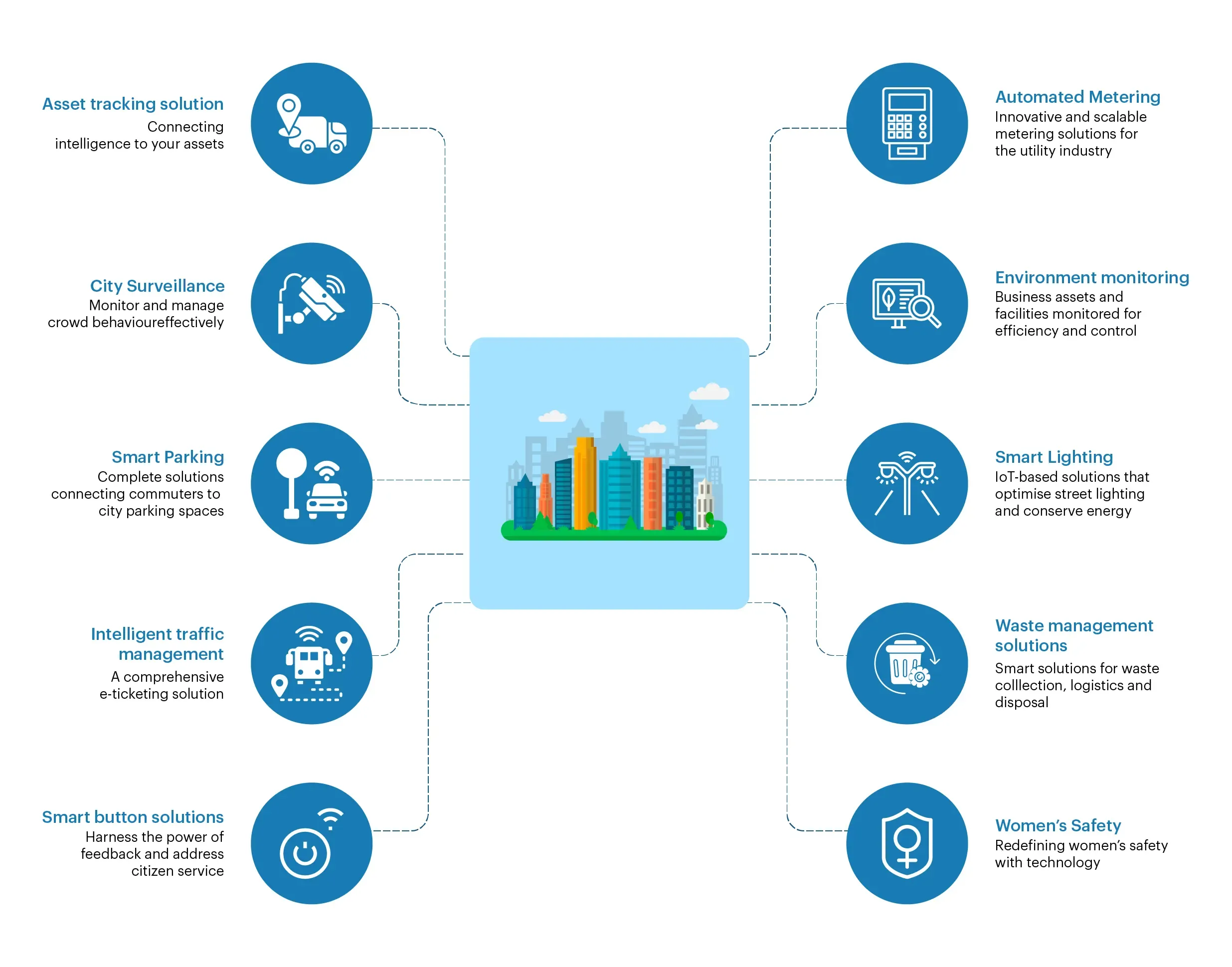
Smart cities integrate digital technologies (IoT, AI, big data, surveillance systems) into urban governance. Their development typically involves corporations, governments, and public-private partnerships (PPPs). This raises complex corporate governance issues relating to accountability, transparency, data control, and public interest.
1. Concept of Smart-City Corporate Governance
Smart-city corporate governance refers to the framework of rules, relationships, and processes through which corporations involved in smart-city projects are:
- Directed
- Controlled
- Held accountable
👉 It blends:
- Corporate law
- Public governance
- Technology regulation
2. Key Stakeholders
- Government authorities (municipal, state)
- Private corporations (tech firms, infrastructure providers)
- Citizens (data subjects)
- Regulators
👉 Governance is often multi-layered and hybrid.
3. Core Governance Issues
(a) Public–Private Partnership (PPP) Accountability
Smart cities are largely executed via PPP models.
👉 Issues:
- Diffused accountability
- Conflicts between:
- Profit motives
- Public welfare
(b) Data Governance and Privacy
Smart cities rely on mass data collection:
- Surveillance cameras
- Sensors
- Citizen data platforms
👉 Risks:
- Data misuse
- Lack of consent
- Surveillance overreach
(c) Transparency and Algorithmic Governance
- Decisions increasingly driven by algorithms
👉 Issues:
- Lack of transparency (“black box” systems)
- Bias in decision-making
(d) Board Responsibility and Oversight
Corporate boards must ensure:
- Ethical technology deployment
- Compliance with privacy and cybersecurity laws
(e) Cybersecurity Risks
- Critical infrastructure vulnerable to cyberattacks
👉 Governance must include:
- Risk mitigation
- Incident response systems
(f) Regulatory Overlap
Smart-city projects are governed by:
- Corporate law
- Data protection law
- Urban governance law
👉 Leads to:
- Fragmentation
- Compliance complexity
4. Legal Framework (Illustrative)
(a) India
- Companies Act, 2013
- Smart Cities Mission guidelines
- IT Act, 2000
(b) International
- GDPR (EU data protection)
- OECD corporate governance principles
5. Major Governance Risks
(a) Privatization of Public Functions
- Corporations perform:
- Public governance roles
👉 Risk:
- Reduced democratic accountability
(b) Data Ownership Conflicts
- Who owns smart-city data?
- Government
- Corporation
- Citizens
(c) Ethical Concerns
- Mass surveillance
- Profiling of citizens
(d) Long-Term Contractual Lock-in
- Technology vendors create dependency
6. Leading Case Laws (At Least 6)
1. Justice K.S. Puttaswamy v. Union of India
- Landmark privacy judgment.
👉 Held:
- Right to privacy is a fundamental right
👉 Relevance:
- Governs data practices in smart cities
2. Internet and Mobile Association of India v. Reserve Bank of India
- Concerned digital regulation.
👉 Principle:
- Proportionality in regulating technology
3. Municipal Council, Ratlam v. Vardhichand
- Public health obligations of municipalities.
👉 Relevance:
- Smart cities must ensure:
- Basic civic standards
4. R (on the application of Bridges) v. Chief Constable of South Wales Police
- Facial recognition technology case.
👉 Held:
- Use of surveillance must comply with:
- Privacy and human rights
5. Google LLC v. Oracle America Inc.
- Software and data use dispute.
👉 Relevance:
- Intellectual property in smart-city tech systems
6. Carpenter v. United States
- Data privacy case.
👉 Held:
- Digital data collection implicates privacy rights
7. Sidewalk Labs LLC (Toronto Smart City Project) Case
- Smart-city governance dispute.
👉 Relevance:
- Highlighted:
- Data governance concerns
- Corporate control issues
7. Corporate Governance Mechanisms
(a) Board-Level Oversight
- Technology and ethics committees
(b) Data Governance Policies
- Data minimization
- Consent frameworks
(c) ESG Integration
- Environmental, Social, Governance (ESG) compliance
(d) Independent Audits
- Algorithm audits
- Cybersecurity reviews
8. Advantages of Smart-City Governance
- Efficient urban management
- Improved service delivery
- Data-driven decision-making
9. Challenges
(a) Democratic Deficit
- Citizens have limited control
(b) Technology Dependence
- Vendor lock-in
(c) Legal Gaps
- Laws lag behind innovation
10. Practical Example
A corporation operates a city-wide surveillance system:
- Collects real-time citizen data
- Uses AI for policing
👉 Governance issues:
- Privacy violations
- Lack of transparency
- Corporate accountability
11. Conclusion
Smart-city corporate governance sits at the intersection of:
- Corporate accountability
- Public law principles
- Digital regulation
Judgments such as Justice K.S. Puttaswamy v. Union of India and R (on the application of Bridges) v. Chief Constable of South Wales Police demonstrate that:
👉 Fundamental rights, transparency, and accountability remain central even in technologically advanced governance systems
RELATED Blog

comments