



Risk Disclosure Governance.
Risk Disclosure Governance

4
1. Concept and Meaning
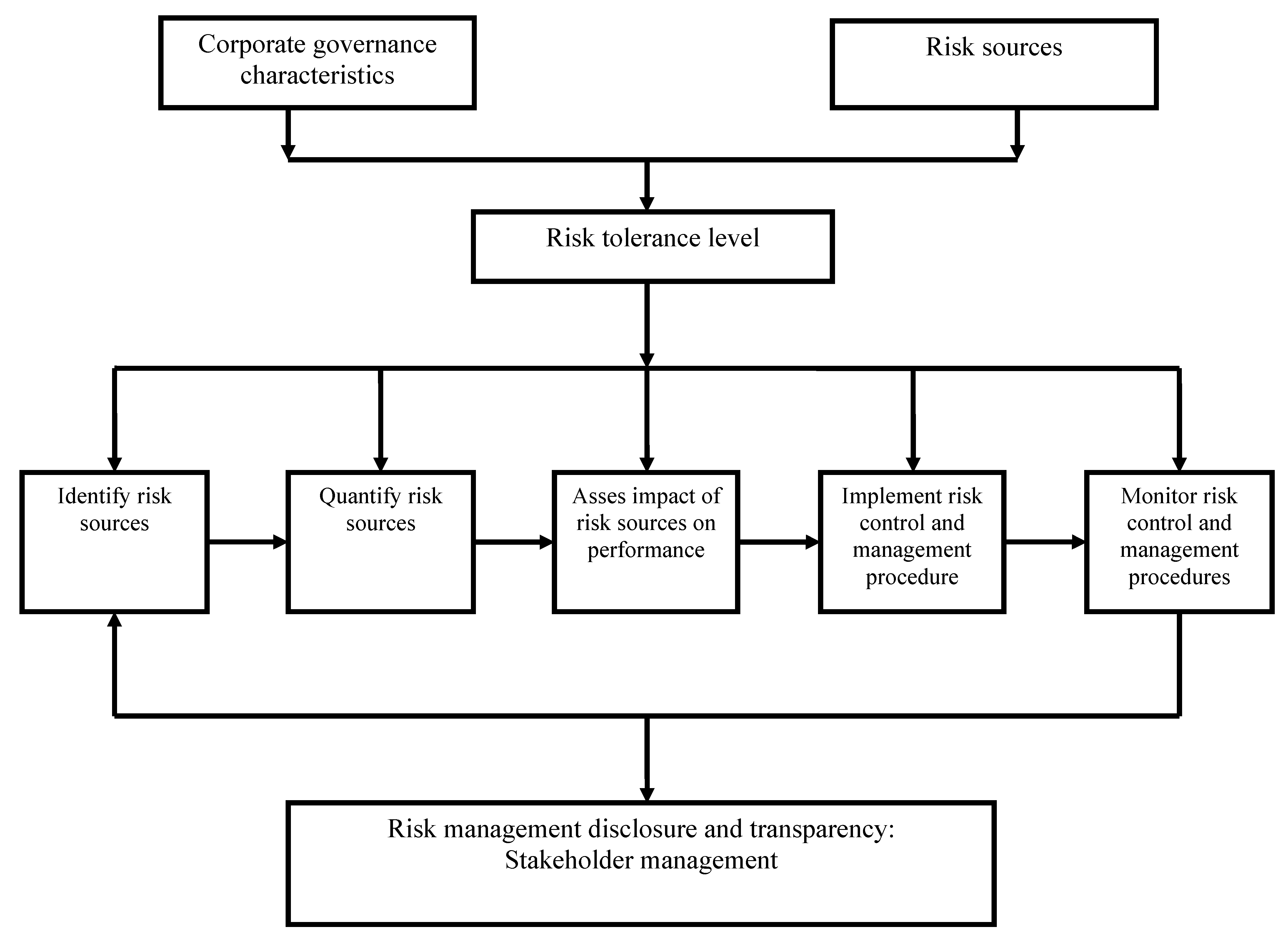
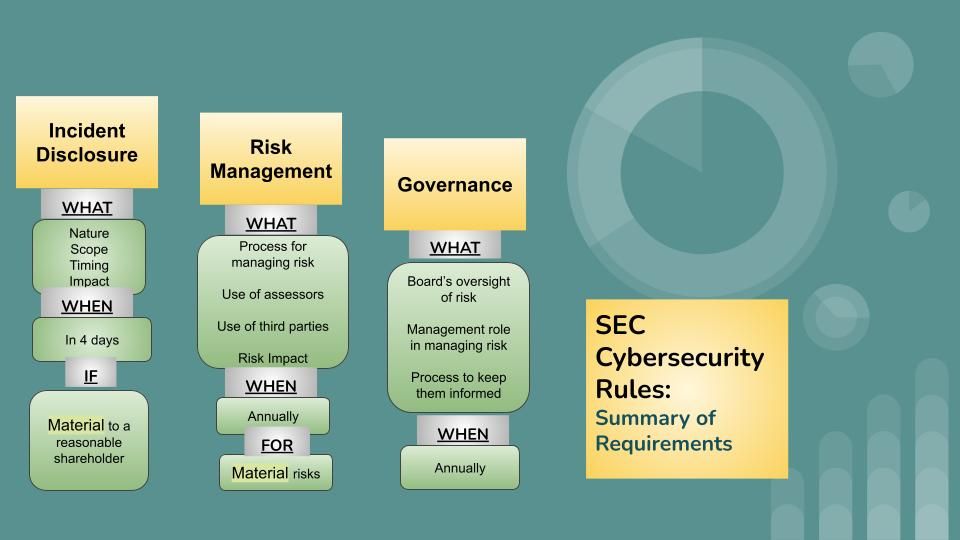
Risk Disclosure Governance refers to the legal, regulatory, and internal governance framework that ensures timely, accurate, and complete disclosure of risks to stakeholders—especially investors, regulators, and the public.
It is a critical component of:
- Corporate governance
- Securities regulation
- Financial transparency
Risk disclosures typically appear in:
- Annual reports (Risk Factors section)
- Financial statements and notes
- Prospectuses and offering documents
- ESG and sustainability reports
2. Objectives of Risk Disclosure Governance
- Transparency: Provide stakeholders with a clear view of potential risks
- Investor Protection: Enable informed decision-making
- Market Integrity: Prevent misinformation and manipulation
- Legal Compliance: Meet statutory disclosure obligations
3. Core Elements of Risk Disclosure Governance
(a) Identification of Material Risks
- Only material risks (those affecting decision-making) must be disclosed
(b) Accuracy and Completeness
- Disclosures must not be misleading or omit critical information
(c) Timeliness
- Continuous disclosure obligations require prompt updates
(d) Consistency
- Alignment across financial statements, management discussion, and public filings
(e) Board Oversight
- Board and audit/risk committees supervise disclosure practices
4. Types of Risks Disclosed
- Financial risks (credit, liquidity, market)
- Operational risks
- Legal and regulatory risks
- Strategic risks
- ESG and climate-related risks
5. Legal Framework
Risk disclosure governance is governed by:
- Securities laws (e.g., disclosure obligations in public offerings)
- Listing regulations (continuous disclosure requirements)
- Accounting standards (IFRS/GAAP disclosures)
- Anti-fraud provisions (prohibiting misleading statements)
6. Key Case Laws on Risk Disclosure Governance
(1) TSC Industries, Inc. v. Northway, Inc. (1976)
- Defined “materiality” in disclosures.
- Information is material if a reasonable investor would consider it important.
- Principle: Materiality is central to risk disclosure obligations.
(2) Basic Inc. v. Levinson (1988)
- Addressed disclosure of merger negotiations.
- Established probability–magnitude test for materiality.
- Principle: Even contingent risks may require disclosure.
(3) Matrixx Initiatives, Inc. v. Siracusano (2011)
- Failure to disclose adverse product reports.
- Court rejected strict statistical threshold for materiality.
- Principle: Qualitative factors can make risks material.
(4) SEC v. Texas Gulf Sulphur Co. (1968)
- Insider trading and non-disclosure of material information.
- Principle: Duty to disclose material facts or abstain from trading.
(5) Omnicare, Inc. v. Laborers District Council (2015)
- Concerned misleading opinion statements in disclosures.
- Principle: Opinions must be honestly held and not misleading.
(6) Panther Partners Inc. v. Ikanos Communications, Inc. (2012)
- Failure to disclose product defects.
- Principle: Known risks must be disclosed even if not fully realized.
(7) In re Volkswagen “Clean Diesel” Litigation (2016)
- Failure to disclose emissions manipulation risks.
- Principle: Concealment of regulatory risks leads to severe liability.
7. Doctrinal Principles Emerging from Case Law
(i) Materiality Standard
- Only information that influences investor decisions must be disclosed
(ii) Duty of Full and Fair Disclosure
- Partial or misleading disclosure is actionable
(iii) Forward-Looking Risk Disclosure
- Companies must disclose foreseeable risks, not just existing problems
(iv) Anti-Fraud Liability
- Misstatements or omissions can trigger civil and criminal liability
8. Governance Structure for Risk Disclosure
(a) Board of Directors
- Ultimate responsibility for disclosure integrity
(b) Audit Committee
- Oversees financial disclosures and controls
(c) Risk Committee
- Identifies and evaluates key risks
(d) Management
- Prepares disclosures and ensures accuracy
(e) External Auditors
- Provide assurance on financial disclosures
9. Best Practices in Risk Disclosure Governance
- Clear identification of material risks
- Balanced disclosure (not overly generic or overly technical)
- Regular updates and continuous disclosure
- Integration with ERM systems
- Strong internal controls and verification processes
- Avoid boilerplate language
10. Challenges
- Determining materiality thresholds
- Avoiding excessive or insufficient disclosure
- Managing forward-looking uncertainty
- Balancing transparency with competitive confidentiality
11. Analytical Perspective
Modern trends show:
- Increasing emphasis on ESG and climate risk disclosures
- Expansion of continuous disclosure obligations
- Greater enforcement against misleading narratives
Courts increasingly scrutinize:
- Whether disclosures reflect actual internal knowledge of risks
- Whether companies downplayed or concealed known issues
12. Conclusion
Risk Disclosure Governance is fundamental to:
- Investor confidence
- Market efficiency
- Legal compliance
The case law consistently establishes:
Disclosure must be truthful, complete, and meaningful—
silence or half-truths about risks can be as harmful as outright misstatements.
RELATED Blog

comments