



Popia Compliance In Investigations.
1. Introduction to POPIA and Investigations

4
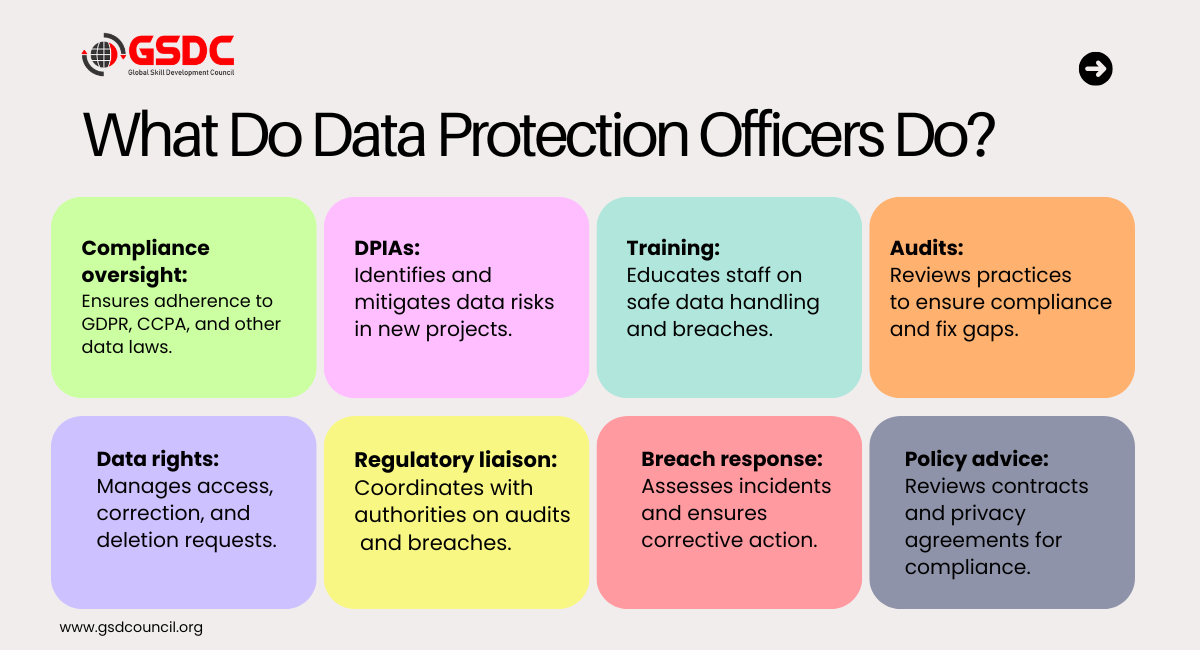
The Protection of Personal Information Act, 2013 (POPIA) is South Africa’s primary data protection law. It regulates how personal information is collected, processed, stored, and shared, including during internal corporate investigations, regulatory probes, and litigation support.
Investigations often involve:
- Employee misconduct inquiries
- Fraud and corruption probes
- Whistleblower complaints
- Regulatory enforcement actions
POPIA compliance is essential to ensure that evidence collection does not violate privacy rights, which could lead to inadmissibility of evidence, regulatory penalties, or civil liability.
2. Key POPIA Principles Relevant to Investigations
A. Lawful Processing (Section 9)
Personal data must be processed lawfully and reasonably, without infringing privacy.
B. Purpose Specification (Sections 13–14)
Data must be collected for a specific, explicitly defined purpose, such as an investigation.
C. Minimality (Section 10)
Only data necessary for the investigation should be collected.
D. Further Processing Limitation (Section 15)
Data collected must not be used beyond the original investigative purpose unless justified.
E. Security Safeguards (Section 19)
Organizations must protect data against loss, unauthorized access, or breaches.
F. Data Subject Participation (Sections 23–25)
Individuals have rights to:
- Access their data
- Request correction or deletion
3. POPIA Compliance in Different Types of Investigations
A. Internal Corporate Investigations
- Monitoring employee communications must be proportionate and justified
- Employers must balance disciplinary needs vs privacy rights
B. Regulatory Investigations
- Data sharing with regulators must comply with lawful disclosure provisions
- Cross-border transfers must meet adequacy requirements
C. Forensic and Digital Investigations
- Extraction of emails, devices, or logs must follow minimality and security principles
- Chain of custody must ensure data integrity and confidentiality
4. Case Law (South Africa and Comparative Jurisprudence)
1. Mistry v Interim Medical and Dental Council of South Africa (1998 (4) SA 1127 (CC))
- Concerned search and seizure powers.
- Constitutional Court emphasized the right to privacy during investigations.
- Established that intrusive investigative actions must be reasonable and legally justified.
2. Bernstein v Bester NO (1996 (2) SA 751 (CC))
- Defined scope of the constitutional right to privacy.
- Recognized that privacy extends to personal information in corporate contexts.
- Important foundation for POPIA compliance.
3. Investigating Directorate: Serious Economic Offences v Hyundai Motor Distributors (Pty) Ltd (2001 (1) SA 545 (CC))
- Addressed legality of search warrants in corporate investigations.
- Court required strict safeguards to prevent abuse of personal data.
- Reinforced proportionality in investigative data collection.
4. Financial Mail (Pty) Ltd v Sage Holdings Ltd (1993 (2) SA 451 (A))
- Concerned disclosure of confidential information.
- Court balanced public interest vs confidentiality rights.
- Relevant to handling sensitive data during investigations.
5. NM v Smith (Freedom of Expression Institute as Amicus Curiae) (2007 (5) SA 250 (CC))
- Unauthorized publication of personal information.
- Court held that disclosure without consent can violate privacy and dignity.
- Highlights risks of improper data disclosure in investigations.
6. Minister of Safety and Security v Seys (2006 (6) SA 320 (C))
- Addressed unlawful search and seizure of personal information.
- Reinforced need for lawful authority and procedural compliance.
7. K v Minister of Safety and Security (2005 (6) SA 419 (CC))
- Established state liability for wrongful conduct involving personal rights.
- Relevant where investigative bodies mishandle personal data.
5. Key Legal Principles Derived from Case Law
| Principle | Explanation | Case Reference |
|---|---|---|
| Right to Privacy | Investigations must respect personal privacy | Bernstein v Bester |
| Lawful Intrusion | Searches require legal justification | Mistry case |
| Proportionality | Data collection must not be excessive | Hyundai case |
| Confidentiality | Sensitive information must be protected | Financial Mail v Sage |
| Unauthorized Disclosure | Improper sharing leads to liability | NM v Smith |
| State/Corporate Liability | Misuse of data triggers accountability | K v Minister |
6. Practical Compliance Steps for Corporates
A. Pre-Investigation
- Define clear purpose and scope
- Conduct data protection impact assessment (DPIA)
B. During Investigation
- Limit data collection to relevant information only
- Ensure secure storage and restricted access
- Maintain audit trails
C. Post-Investigation
- Retain data only as long as necessary
- Securely delete or anonymize data
- Provide access to data subjects if required
7. Risks of Non-Compliance
- Regulatory penalties under POPIA
- Civil claims for privacy violations
- Evidence being excluded in legal proceedings
- Reputational damage
8. Emerging Issues
A. Workplace Surveillance
- Increased monitoring raises privacy concerns
B. Cross-Border Investigations
- Data transfer restrictions complicate multinational probes
C. Digital Evidence
- Handling large-scale electronic data requires strict compliance
9. Conclusion
POPIA compliance in investigations requires a careful balance between effective fact-finding and protection of personal information.
Courts emphasize:
- Legality and proportionality of investigative actions
- Respect for privacy and dignity
- Strict safeguards in data handling
For corporations, compliance is not merely procedural but a strategic necessity, ensuring that investigations remain lawful, credible, and enforceable.
RELATED Blog

comments