



Kiln-Safety Governance
Kiln-Safety Governance
Kiln-safety governance refers to the legal, regulatory, and managerial framework governing the safe operation of kilns used in industries such as cement, ceramics, brick-making, and metallurgy. Given the high temperatures, combustible materials, and confined environments, kilns present significant occupational health, environmental, and industrial hazards.
Effective governance integrates statutory compliance, risk management, workplace safety systems, and corporate accountability.
1. Nature of Risks in Kiln Operations
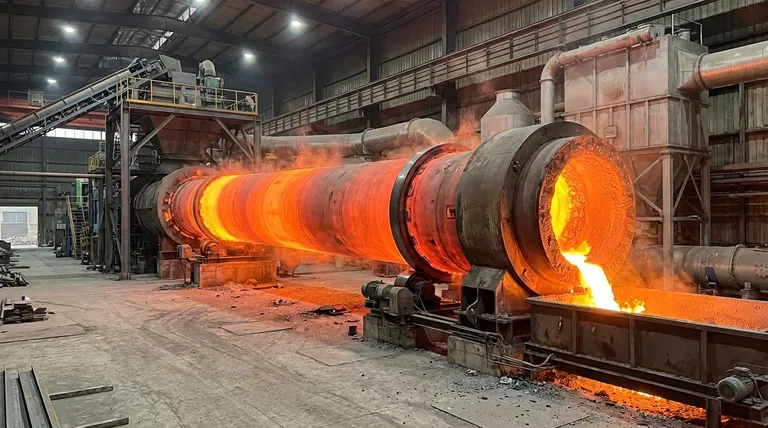
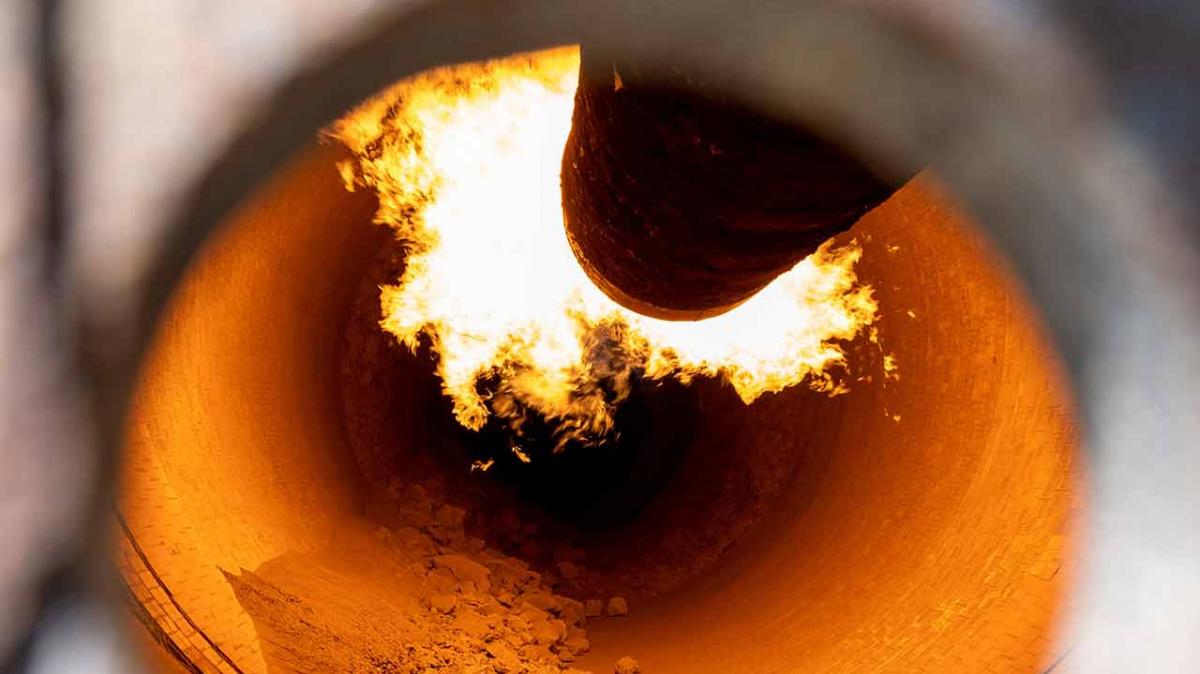
(A) Thermal and Fire Hazards

4
- Extreme temperatures (often exceeding 1000°C)
- Risk of burns, explosions, and fires
(B) Mechanical and Structural Risks
- Rotating machinery (e.g., rotary kilns)
- Collapse of kiln structures
- Equipment malfunction
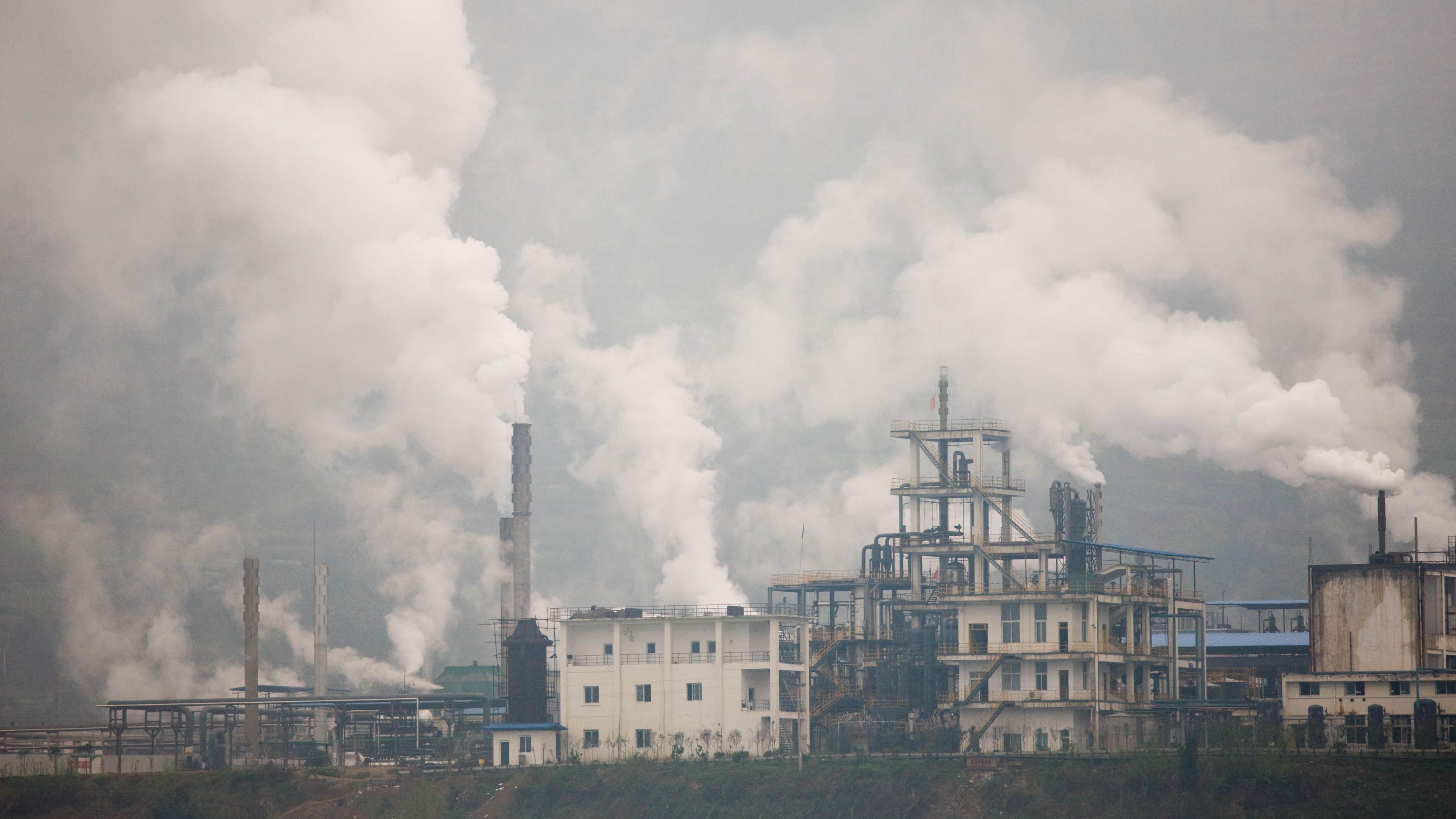
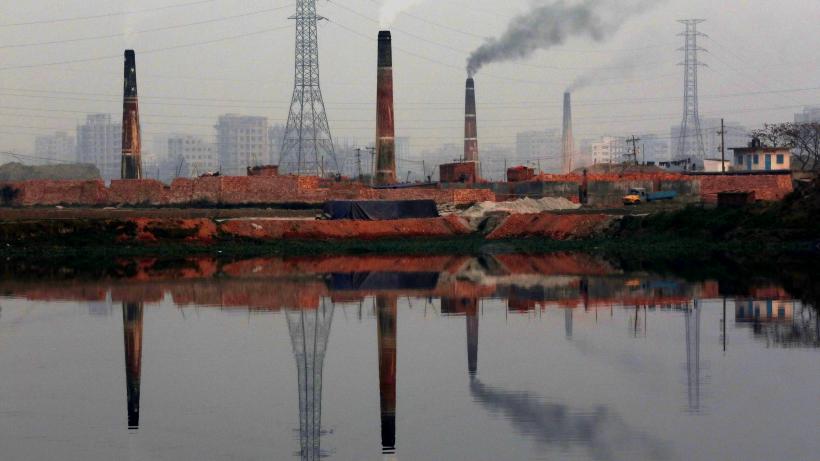
(C) Toxic Emissions and Environmental Hazards

4
- Release of CO, SO₂, NOx, particulate matter
- Respiratory risks for workers
- Environmental pollution
(D) Confined Space Risks
- Oxygen depletion
- Toxic gas accumulation
- Difficult evacuation
2. Legal and Regulatory Framework
(A) India
- Factories Act, 1948
- Workplace safety
- Machinery safeguards
- Environment Protection Act, 1986
- Emission standards
- Air (Prevention and Control of Pollution) Act, 1981
- Occupational Safety, Health and Working Conditions Code, 2020
(B) International Standards
- OSHA (US) kiln safety guidelines
- ISO 45001 (Occupational Health & Safety)
- Environmental compliance norms (e.g., emissions control)
3. Core Governance Obligations
(1) Risk Assessment and Hazard Identification
- Identify:
- Heat exposure risks
- Gas leaks
- Structural weaknesses
(2) Safety Protocols and Standard Operating Procedures (SOPs)
- Controlled heating and cooling cycles
- Emergency shutdown procedures
- Lockout/tagout systems
(3) Worker Safety Measures
- Personal Protective Equipment (PPE):
- Heat-resistant clothing
- Respirators
- Training programs
- Medical monitoring
(4) Monitoring and Maintenance
- Regular inspection of:
- Kiln lining
- Temperature controls
- Emission systems
(5) Environmental Compliance
- Install:
- Scrubbers
- Filters
- Continuous emission monitoring
(6) Incident Reporting and Response
- Immediate reporting of accidents
- Root cause analysis
- Corrective actions
(7) Corporate Accountability
- Board oversight of safety systems
- Integration with ESG and sustainability goals
4. Judicial Approach – Key Case Laws (At Least 6)
1. M.C. Mehta v Union of India (Oleum Gas Leak Case)
- Established absolute liability for hazardous industries
- Applies to kiln operations involving toxic emissions
2. Indian Council for Enviro-Legal Action v Union of India
- Polluters must compensate for environmental damage
- Relevant for kiln emission violations
3. Vellore Citizens Welfare Forum v Union of India
- Introduced:
- Precautionary principle
- Polluter pays principle
4. Consumer Education and Research Centre v Union of India
- Recognized workers’ right to health and safety
5. Rylands v Fletcher
- Strict liability for hazardous escape
- Foundational for industrial risk liability
6. Bhopal Gas Disaster Case (Union Carbide Corporation v Union of India)
- Highlighted corporate liability in industrial disasters
- Reinforces strict safety obligations
7. Workmen v Meenakshi Mills Ltd
- Emphasized employer responsibility for worker safety
8. Sterlite Industries (India) Ltd v Union of India
- Addressed environmental compliance in heavy industry
5. Liability Framework in Kiln Safety
(A) Civil Liability
- Compensation for:
- Worker injury
- Environmental damage
(B) Criminal Liability
- Negligence leading to:
- Death or injury
- Pollution offences
(C) Regulatory Penalties
- Closure orders
- Fines
- License revocation
(D) Corporate and Managerial Liability
- Directors and KMP may be liable as:
- “Officers in default”
- Failure of governance systems can trigger liability
6. Best Practices in Kiln-Safety Governance
(1) Automation and Smart Monitoring
- Sensors for:
- Temperature
- Gas levels
(2) Preventive Maintenance
- Scheduled inspections
- Replacement of worn components
(3) Emergency Preparedness
- Fire drills
- Evacuation plans
(4) ESG Integration
- Reduce emissions
- Sustainable fuel use
(5) Independent Audits
- Third-party safety audits
- Compliance verification
7. Emerging Issues
- Climate regulation → stricter emission limits
- Worker welfare litigation → increased liability
- Technology adoption → AI-based predictive safety
- Public interest litigation (PILs) against polluting kilns
Conclusion
Kiln-safety governance is a high-stakes regulatory and corporate responsibility domain, combining industrial safety, environmental law, and corporate accountability. Courts impose strict and often absolute liability for failures, especially in hazardous industries. Effective governance requires proactive risk management, strong compliance systems, and continuous monitoring, ensuring protection of workers, communities, and the environment.
RELATED Blog

comments