



Geolocation-Data Privacy Rules.
Geolocation-Data Privacy Rules
1. Introduction
Geolocation data refers to information that identifies or tracks the physical location of an individual or device, such as:
- GPS coordinates
- IP address-based location
- Cell tower triangulation
- Wi-Fi positioning data
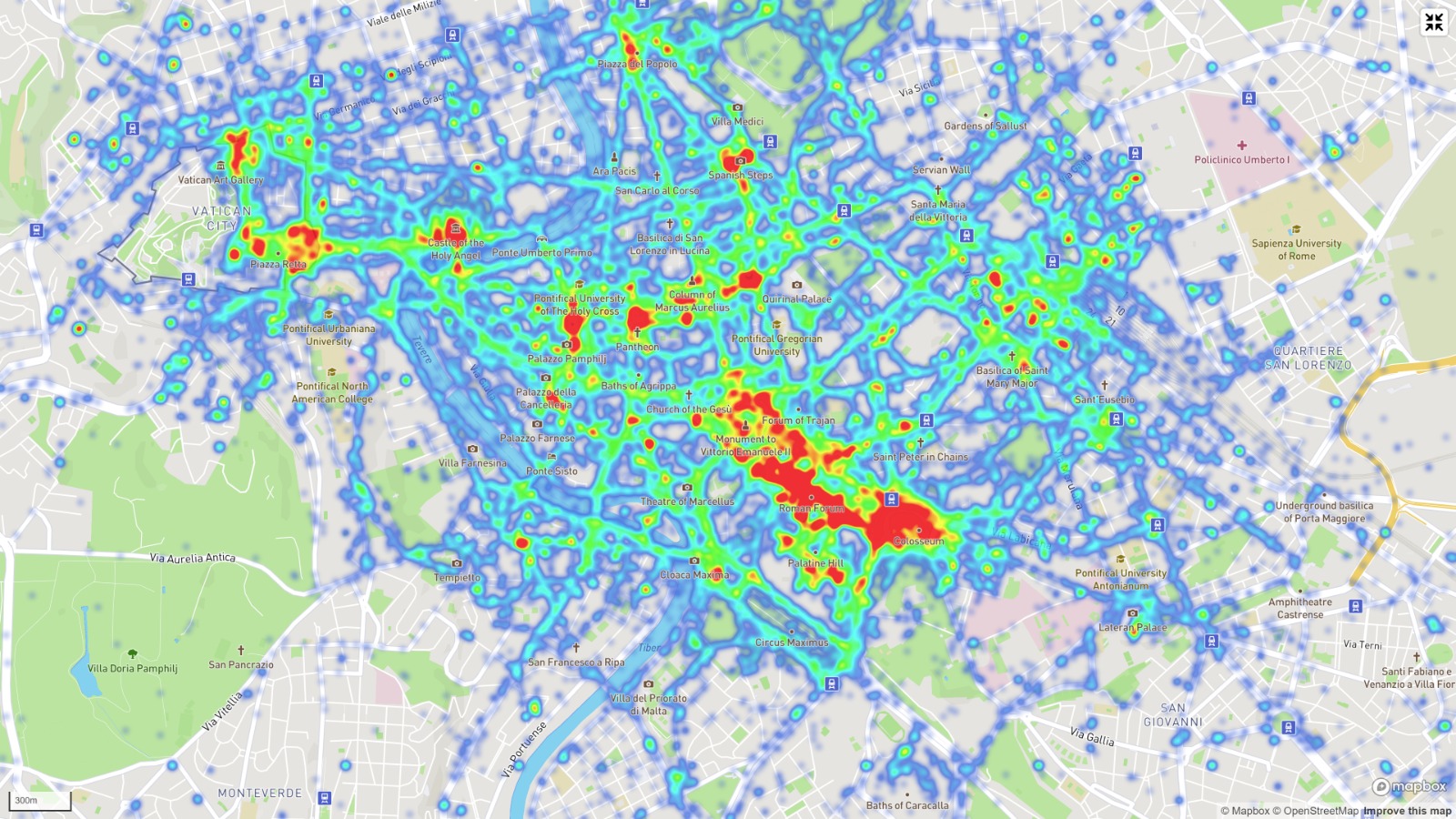
Because it can reveal movement patterns, habits, and personal associations, geolocation data is treated as highly sensitive personal data under modern privacy laws.
2. Nature and Sensitivity of Geolocation Data


5
Why It Is Sensitive:
- Reveals daily routines
- Indicates visits to sensitive locations (hospitals, religious sites)
- Enables profiling and surveillance
📌 Courts increasingly recognize geolocation data as intrusive and privacy-impacting.
3. Legal Framework
(a) European Union
- General Data Protection Regulation (GDPR)
- ePrivacy Directive (2002/58/EC)
Key Requirements:
- Lawful basis for processing
- Explicit consent (often required for precise location tracking)
- Data minimization and purpose limitation
(b) United States
- Sectoral approach:
- Electronic Communications Privacy Act (ECPA)
- State laws (e.g., California Consumer Privacy Act)
📌 Strong constitutional protection via Fourth Amendment jurisprudence.
(c) India
- Recognized under right to privacy (constitutional protection)
- Emerging framework under digital data protection laws
4. Core Legal Principles
(a) Consent and Lawfulness
- Explicit, informed consent is often required
- Especially for real-time tracking
(b) Purpose Limitation
- Data must be used only for specified purposes
(c) Data Minimization
- Collect only necessary location data
(d) Storage Limitation
- Retain data only as long as needed
(e) Security Safeguards
- Protect against unauthorized access
(f) Transparency
- Users must be informed about tracking practices
5. Key Regulatory Obligations
(A) User Consent Mechanisms
- Opt-in systems for location tracking
- Granular permissions (e.g., “while using app”)
(B) Privacy Notices
- Clear disclosure of:
- What data is collected
- How it is used
(C) Data Subject Rights
Under GDPR:
- Access
- Erasure (“right to be forgotten”)
- Objection to processing
(D) Data Protection Impact Assessments (DPIAs)
- Required for high-risk processing such as continuous tracking
(E) Cross-Border Data Transfers
- Must comply with adequacy or safeguards (e.g., SCCs)
6. Key Case Laws
(1) Carpenter v United States (2018, US Supreme Court)
- Issue: Access to cell-site location data without warrant.
- Held: Violates Fourth Amendment.
- Principle:
Geolocation data is highly sensitive; requires judicial authorization.
(2) United States v Jones (2012, US Supreme Court)
- Issue: GPS tracking without warrant.
- Held: Unlawful search.
- Principle:
Long-term tracking constitutes intrusive surveillance.
(3) Digital Rights Ireland Ltd v Minister for Communications (C-293/12)
- Issue: Data retention directive validity.
- Held: Invalidated.
- Principle:
Retention of location data must be proportionate and necessary.
(4) Tele2 Sverige AB v Post- och telestyrelsen (C-203/15)
- Issue: Bulk data retention.
- Held: General retention incompatible with EU law.
- Principle:
Strong limits on mass surveillance using location data.
(5) Google LLC v CNIL (C-507/17)
- Issue: Territorial scope of data erasure.
- Relevance:
Demonstrates global implications of data privacy rules affecting location data.
(6) Breyer v Bundesrepublik Deutschland (C-582/14)
- Issue: IP addresses as personal data.
- Held: Yes, if identifiable.
- Principle:
Even indirect location identifiers qualify as personal data.
(7) K.S. Puttaswamy v Union of India (2017, India SC)
- Issue: Right to privacy.
- Held: Privacy is a fundamental right.
- Principle:
Protects individuals against state and private surveillance, including location tracking.
7. Compliance Strategies
Strategy 1: Privacy-by-Design
- Embed privacy into app architecture
- Default settings should limit tracking
Strategy 2: Granular Consent Controls
- Allow users to:
- Enable/disable tracking
- Choose precision level
Strategy 3: Data Anonymization
- Use aggregated or anonymized location data where possible
Strategy 4: Retention Limits
- Automatically delete outdated location data
Strategy 5: Security Measures
- Encryption
- Access controls
Strategy 6: Regular Audits
- Ensure compliance with evolving laws
8. Risks of Non-Compliance
- Regulatory fines (GDPR penalties up to 4% turnover)
- Civil liability
- Criminal sanctions (in some jurisdictions)
- Reputational damage
9. Emerging Issues
- Location tracking in IoT devices
- AI-based movement profiling
- Contact tracing and public health surveillance
- Workplace monitoring
10. Balancing Interests
Courts balance:
- Privacy rights
vs - Security and commercial interests
📌 Increasingly, privacy is given greater weight, especially for continuous tracking.
11. Conclusion
Geolocation-data privacy rules have evolved into a strict, rights-based regulatory regime due to the sensitive nature of location information.
Key takeaways:
- Treat geolocation data as high-risk personal data
- Ensure explicit consent and transparency
- Limit collection and retention
- Implement robust security and governance systems
As technology advances, legal frameworks will continue to tighten controls over location tracking, emphasizing individual autonomy and data protection.
RELATED Blog

comments