


Force Majeure Construction Analysis.
1. Nature of Construction Contracts and Risk Allocation
Construction contracts (e.g., EPC, FIDIC-based agreements) are:
Long-term and complex
Dependent on multiple stakeholders
Sensitive to time and cost overruns
Force majeure clauses are used to:
Allocate risk of uncontrollable events
Provide time extensions (EOT)
Sometimes allow cost compensation or termination
2. Typical Force Majeure Events in Construction
(A) Natural Events


4
Earthquakes
Floods
Cyclones and storms
Landslides
(B) Political and Legal Events
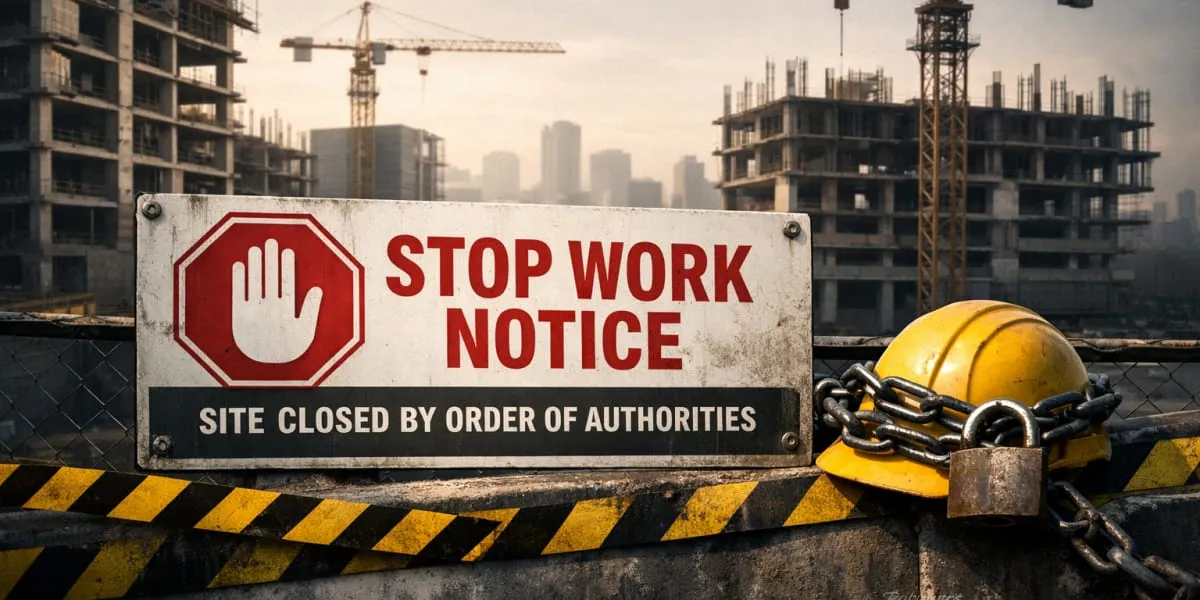


4
War, terrorism
Government orders (lockdowns, permit revocation)
Strikes or civil unrest
(C) Economic and Supply Chain Events


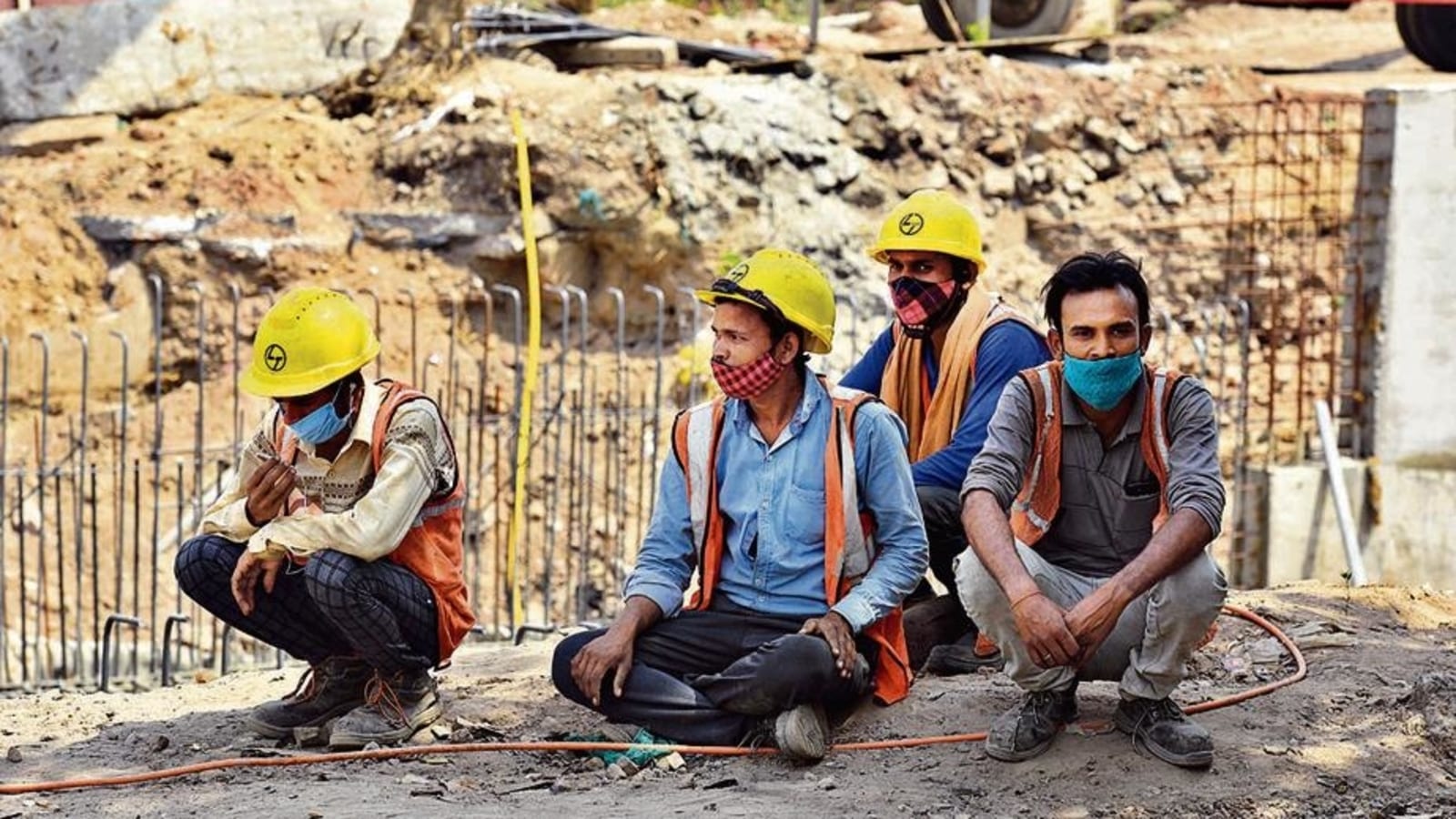
4
Material shortages
Labour disruptions
Logistics failures
⚠️ Courts usually exclude pure economic hardship unless expressly included.
3. Legal Framework
(A) Contractual Interpretation
Force majeure in construction is governed primarily by:
Express contract terms (e.g., FIDIC Clause 19 / 18)
Risk allocation provisions
(B) Statutory Overlay
In India:
Indian Contract Act, 1872
Section 32 → contingent contracts
Section 56 → frustration
4. Key Issues in Construction Force Majeure
(A) Extension of Time (EOT)
Most common remedy
Prevents liquidated damages (LDs)
(B) Cost Compensation
Allowed only if expressly stated
Otherwise, contractor bears additional costs
(C) Suspension vs Termination
Temporary event → suspension
Prolonged event → termination
(D) Concurrent Delay
If contractor delay + force majeure coexist → courts analyze dominant cause
(E) Mitigation Obligations
Contractors must:
Reschedule work
Use alternative suppliers
Minimize delay impact
5. Leading Case Laws
1. Energy Watchdog v. CERC
Held: Force majeure must be strictly interpreted.
Construction Relevance: Cost escalation in infrastructure projects does not justify relief unless clause permits.
2. Satyabrata Ghose v. Mugneeram Bangur & Co.
Held: Impossibility must be real, not speculative.
Relevance: Construction delay must be due to actual impossibility, not inconvenience.
3. Halliburton Offshore Services Inc. v. Vedanta Ltd.
Held: COVID-19 may qualify depending on facts.
Relevance: Construction projects affected by lockdowns may get EOT but not automatic cost relief.
4. Standard Retail Pvt. Ltd. v. G.S. Global Corp.
Held: Lockdown does not automatically excuse contractual obligations.
Relevance: Supply contracts in construction cannot be avoided merely due to disruption.
5. Bremer Handelsgesellschaft mbH v. Vanden Avenne Izegem PVBA
Held: Notice requirements in force majeure clauses must be strictly complied with.
Relevance: Contractors must give timely notice to claim EOT.
6. Channel Island Ferries Ltd. v. Sealink UK Ltd.
Held: Reasonable steps must be taken to avoid the event’s impact.
Relevance: Contractors must mitigate delays.
7. Classic Maritime Inc. v. Limbungan Makmur Sdn Bhd
Held: Requires strict proof that event prevented performance.
Relevance: Contractor must prove causation, not just occurrence of event.
6. Key Judicial Principles in Construction Context
(1) Strict Interpretation of Clauses
Courts rely on exact wording, especially in large infrastructure contracts.
(2) Time vs Cost Distinction
Time relief → commonly granted
Cost compensation → rare without express provision
(3) Causation Test
Event must directly delay the construction activity.
(4) Notice Compliance
Failure to notify → loss of entitlement.
(5) Mitigation Requirement
Contractor must demonstrate efforts to reduce delay.
(6) No Relief for Economic Hardship
Material price rise or inflation is not force majeure.
7. Practical Construction Scenarios
Scenario 1: Flooding at Site
Likely force majeure
Contractor gets EOT
Scenario 2: Steel Price Increase
Not force majeure
Contractor bears cost unless clause provides otherwise
Scenario 3: Government Lockdown
May qualify
EOT likely; cost depends on clause
Scenario 4: Labour Strike
Depends on clause wording
Internal workforce issues often excluded
8. Drafting Best Practices (Construction Contracts)
Define events clearly and exhaustively
Include pandemics, supply chain disruptions
Specify:
EOT entitlement
Cost compensation rules
Notice timelines
Address concurrent delay explicitly
Include termination thresholds
9. Conclusion
Force majeure in construction contracts is a risk allocation mechanism, not a blanket excuse. Courts consistently emphasize:
Precise drafting controls outcomes
Time relief is easier than cost recovery
Causation, notice, and mitigation are निर्णायक (decisive)
In practice, successful invocation depends less on the event itself and more on how well the contract anticipates and allocates that risk.
RELATED Blog

comments