



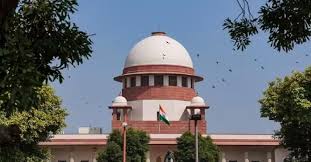
Supreme Court Angola
The Supreme Court of Angola (Supremo Tribunal de Angola) is the highest judicial body in Angola, responsible for interpreting and applying the law, overseeing the consistency of the country's judicial system, and ensuring the legal order is upheld. As the highest court in Angola, its decisions have a profound influence on the interpretation of the Constitution, laws, and the overall governance of the nation. Below are some significant cases that provide insight into the functioning and interpretation of law by the Supreme Court of Angola.
1. The Case of Political Opposition and Freedom of Expression
Case Overview: In the early 2010s, political opposition leaders in Angola, particularly those from the UNITA party (National Union for the Total Independence of Angola), claimed that their right to free expression was being restricted by the government. They argued that their ability to criticize the government and participate in political discourse was being suppressed, with arrests and intimidation used as tools to silence dissent.
Legal Principle: This case revolved around the constitutional right to freedom of expression and political participation as outlined in Angola's Constitution. According to Article 47 of the Angolan Constitution, all citizens have the right to freely express their opinions and participate in political activities. The case highlighted the tension between political freedoms and the state's duty to maintain national security and social order.
Case Outcome: The Supreme Court of Angola ruled that the opposition leaders' right to express dissenting views should be protected, but that this freedom must be exercised within the limits of the law. The ruling emphasized that while criticism of the government is permissible, it must not incite violence, rebellion, or other illegal actions.
Legal Interpretation: The ruling established an important precedent for the balance between individual freedoms and state security. The Supreme Court upheld that freedom of expression and political opposition are vital for a functioning democracy, but must be exercised responsibly.
2. Land Ownership and the Right to Property
Case Overview: In a prominent case in 2015, a group of landowners in the Luanda province filed a lawsuit against the government, which had seized their land for urban development projects. The landowners argued that the government had not compensated them fairly for their property and had not followed the legal procedures required for land expropriation.
Legal Principle: The case raised important issues regarding the right to property as guaranteed by the Angolan Constitution, specifically under Article 21, which asserts that private property is inviolable and that expropriation can only occur for public use with just compensation.
Case Outcome: The Supreme Court of Angola ruled in favor of the landowners, asserting that the expropriation of property must comply with the legal requirements and that the landowners must be provided with fair compensation. The court emphasized the importance of protecting the right to private property and stated that legal procedures must be followed to ensure that expropriation is done in accordance with the law.
Legal Interpretation: This case reinforced the idea that expropriation for public use should not violate constitutional protections, particularly the right to fair compensation. It highlighted the need for transparent and lawful processes in government land acquisitions.
3. The Case of Corruption Allegations Against High-Ranking Officials
Case Overview: One of the landmark cases in recent years involved high-ranking government officials accused of embezzlement and corruption. The case, which involved officials in the Ministry of Finance, became widely publicized and raised questions about accountability and transparency in Angola’s political and economic systems. Several officials were accused of diverting public funds for personal use.
Legal Principle: The case centered on the rule of law, accountability, and the enforcement of anti-corruption laws. Angola's Criminal Code criminalizes corruption, embezzlement, and abuse of power, and these crimes are punishable with severe penalties. The Supreme Court's role in this case was to uphold the laws relating to the punishment of public corruption and ensure that those in power were not above the law.
Case Outcome: The Supreme Court of Angola ordered the investigation and trial of the accused officials, ensuring that due process was followed. The ruling sent a strong message about the government's commitment to addressing corruption at the highest levels. Several officials were convicted and sentenced, while others were acquitted due to insufficient evidence.
Legal Interpretation: This case underscored the Supreme Court's commitment to upholding anti-corruption laws in Angola, even against high-ranking officials. It reinforced the principle that no one is above the law and that public trust in the legal system is essential for the functioning of a democratic state.
4. The Case of Freedom of Assembly and Demonstrations
Case Overview: In 2012, a group of activists and human rights defenders in Angola organized a demonstration to protest government policies, particularly in regard to public spending and education reforms. The government, citing concerns about public order and security, banned the protest. The activists challenged the ban, arguing that the right to assemble peacefully was guaranteed under the Constitution.
Legal Principle: This case focused on Article 47 of the Angolan Constitution, which guarantees the right to peaceful assembly and demonstration. The case also brought up the issue of the right to protest versus the state's duty to maintain order and security.
Case Outcome: The Supreme Court of Angola ruled that the right to peaceful assembly is a fundamental constitutional right. However, it also stated that the government could impose restrictions on demonstrations if there was a legitimate concern about public safety. The court ordered that the protest could proceed, but it needed to adhere to certain conditions to ensure safety and prevent violence.
Legal Interpretation: The decision of the Supreme Court affirmed that while peaceful assembly is protected, it is not absolute and can be subject to regulation in cases where public order is at risk. The court emphasized the importance of finding a balance between individual freedoms and public safety.
5. The Case of Constitutional Review and Legislative Power
Case Overview: In 2017, the National Assembly of Angola passed a law that some political analysts believed violated the Constitution, particularly in relation to the separation of powers and the independence of the judiciary. The law sought to reduce the Supreme Court's authority in certain judicial matters, sparking concerns about the potential for political interference in the judicial process.
Legal Principle: This case raised important questions about the separation of powers and judicial independence, principles that are fundamental in a constitutional democracy. The Angolan Constitution provides for a separation of powers between the executive, legislative, and judicial branches, with each branch acting independently.
Case Outcome: The Supreme Court of Angola ruled that the law passed by the National Assembly was unconstitutional. The court held that the law improperly interfered with the judicial branch's independence and violated the separation of powers principle outlined in the Constitution. As a result, the law was struck down.
Legal Interpretation: This case reaffirmed the Supreme Court's role in safeguarding the constitutionality of laws and ensuring that the separation of powers principle is maintained. The ruling emphasized the judiciary's independence and the need to prevent executive or legislative overreach into judicial functions.
6. The Case of Religious Freedom and the Recognition of Religious Communities
Case Overview: A religious minority group in Angola, the Jehovah’s Witnesses, faced challenges in registering their community with the government due to discriminatory practices. The group claimed that their right to freedom of religion was being violated, as the government was preventing them from holding religious meetings and registering their organization.
Legal Principle: Article 18 of the Angolan Constitution guarantees freedom of religion, stating that individuals are free to practice their religion without interference from the state. However, the government’s refusal to recognize certain religious communities raised questions about the implementation of this constitutional right.
Case Outcome: The Supreme Court of Angola ruled in favor of the Jehovah’s Witnesses, asserting that the government could not discriminate against them based on their religious beliefs. The court ordered the government to recognize the religious community and grant it the legal rights afforded to other religious organizations.
Legal Interpretation: The ruling highlighted the importance of religious freedom in Angola's constitutional framework. It reinforced the principle that the state must protect religious minorities and ensure their right to practice their faith freely, without fear of discrimination.
Conclusion
The Supreme Court of Angola has played a significant role in shaping the country’s legal landscape. Its decisions have addressed a variety of issues ranging from freedom of expression, property rights, and anti-corruption efforts, to religious freedom and the separation of powers. These cases underscore the challenges Angola faces in balancing constitutional guarantees with practical governance issues, especially in a country transitioning from a long history of conflict and authoritarian rule to a more democratic legal system. The Supreme Court has consistently upheld the principles of rule of law, human rights, and judicial independence, setting important precedents for the future of Angola's legal and political system.
RELATED Blog





comments