




Penology in Denmark
Penology in Denmark reflects the country's broader approach to criminal justice, which emphasizes rehabilitation, reintegration, and humane treatment over punitive measures. Denmark is internationally recognized for its progressive penal policies and low incarceration rates. Here's a structured overview:
1. Legal and Institutional Framework
Danish Penal Code (Straffeloven): Governs criminal offenses and penalties.
Administration of Justice Act: Regulates court procedures and rights of the accused.
Danish Prison and Probation Service (Kriminalforsorgen): A branch of the Ministry of Justice that manages prisons, probation, and rehabilitation services.
2. Prison System
Types of Prisons:
Open Prisons (ca. 60–70% of facilities): No locked cells, inmates can work or study outside during the day.
Closed Prisons: For serious offenses, with more security but still with emphasis on dignity and rehabilitation.
Inmate Population: Among the lowest in Europe — around 60–70 per 100,000 people.
Living Conditions: Often described as “normalized,” with private rooms (not cells), access to kitchens, education, and communication with the outside world.
3. Punishment and Rehabilitation
Guiding Principles: Normalization, openness, and responsibility.
Alternative Sanctions:
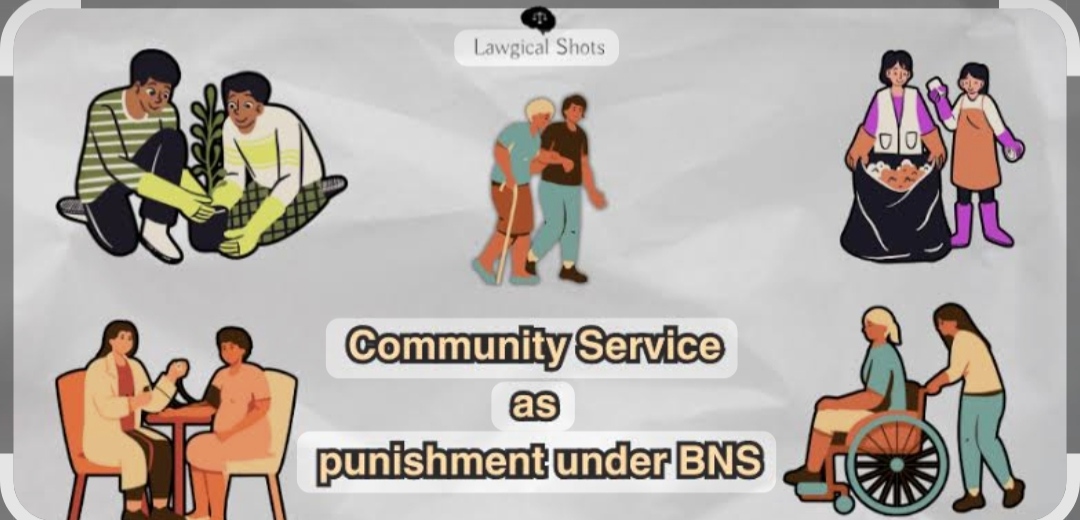
Community service
Electronic monitoring
Probation supervision
Suspended sentences
Rehabilitation Focus:
Inmates are treated as individuals with potential for change.
Access to education, job training, therapy, and substance abuse programs.
Staff act more as social workers than guards.
Post-Release Support:
Reintegration is supported through job assistance, housing support, and social services.
Close cooperation with municipalities and NGOs.
4. Key Features and Reforms
Normalization Principle: Life in prison should resemble life outside as closely as possible.
Open Prisons Model: Inmates maintain ties to society and prepare for reintegration.
Youth Justice: Emphasis on diversion, education, and restorative justice.
Restorative Justice: Used in select cases to allow offenders to make amends to victims.
5. Criticism and Challenges
Immigration and Foreign Inmates: Challenges related to integration and language barriers.
Terrorism and Gang Activity: Denmark has tightened measures in these areas, including use of solitary confinement and deportation.
Public Opinion: While supportive overall, there is growing political pressure for tougher sentencing in some cases.
Denmark’s model is often cited as a benchmark for humane, effective incarceration focused on reducing recidivism.
RELATED Blog




comments