



Free Meal Eligibility Fairness.
1. Concept of Free Meal Eligibility Fairness
Eligibility fairness in free meal schemes means:
- No arbitrary exclusion of deserving persons
- Inclusion of vulnerable groups (children, poor households)
- Non-discrimination based on caste, religion, gender, or region
- Transparent and administratively workable criteria
- Effective implementation (not just policy on paper)
Fairness challenges usually arise in:
- School mid-day meals
- Anganwadi nutrition programs
- Public distribution system-linked meal schemes
- Disaster relief feeding programs
2. Constitutional Basis in India
Free meal schemes are linked to:
- Article 21 – Right to Life (includes right to food and nutrition)
- Article 14 – Equality (non-arbitrariness in eligibility rules)
- Article 15(3) – Special provisions for children and women
- Directive Principles (Article 39, 47) – Nutrition, health, and welfare duties of the State
3. Major Case Laws on Free Meal Eligibility & Fairness
Case 1: PUCL v. Union of India (2001 onwards – Right to Food Case)
Issue: Whether food security is a constitutional right and how schemes like mid-day meals should be implemented.
Held:
- Supreme Court recognized Right to Food as part of Article 21.
- Directed universalization of mid-day meals in government schools.
- Held that benefits cannot be denied due to administrative failures.
- Emphasized that eligibility rules must be inclusive, not exclusionary.
Importance:
- Foundation case for free meal entitlement in India.
- Shifted policy from discretion-based to rights-based approach.
Case 2: People’s Union for Civil Liberties v. Union of India (2008 interim orders in Right to Food case)
Issue: Implementation failures in mid-day meal scheme.
Held:
- States must provide cooked meals, not dry rations.
- Children cannot be excluded due to lack of documentation.
- Focus on universal access for school-going children.
Importance:
- Strengthened fairness by removing bureaucratic barriers to eligibility.
Case 3: Swaraj Abhiyan v. Union of India (2016)
Issue: Food distribution failures during drought conditions.
Held:
- Supreme Court criticized exclusion of eligible beneficiaries.
- Directed states to ensure non-arbitrary identification of beneficiaries.
- Held that relief cannot depend on technical eligibility errors when life is at stake.
Importance:
- Expanded fairness principle during emergencies.
- Reinforced duty to avoid exclusion errors.
Case 4: Society for Unaided Private Schools of Rajasthan v. Union of India (2012)
Issue: Whether private schools must implement mid-day meal schemes under Right to Education Act.
Held:
- Court upheld inclusion of mid-day meals as part of Right to Education (Article 21A).
- Recognized nutrition as essential to education outcomes.
Importance:
- Linked eligibility for meals with school attendance universally, not selective welfare.
Case 5: Karnataka Mid-Day Meals Controversy Cases (Various High Court rulings)
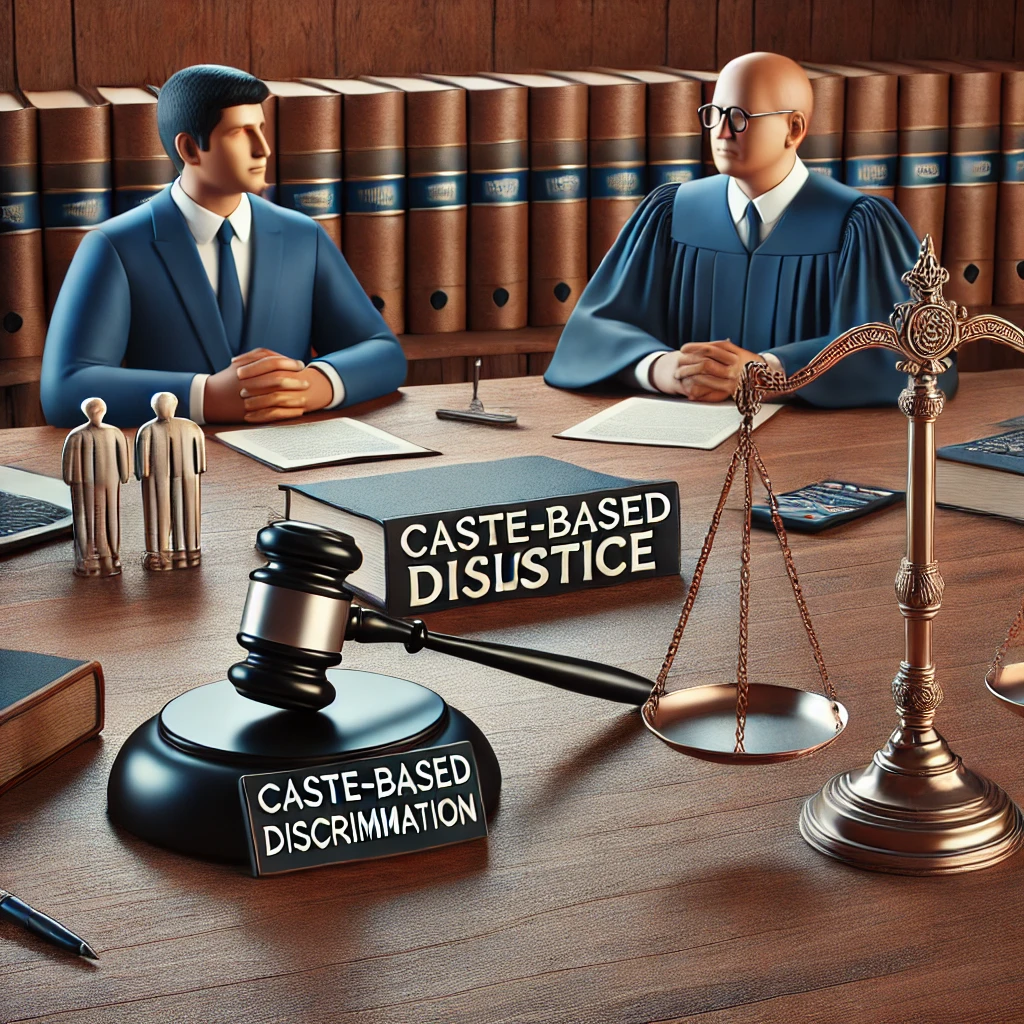
Issue: Quality, discrimination, and caste-based segregation in meal distribution.
Held:
- Courts held that caste-based discrimination in serving food violates Article 14 and Article 17.
- States must ensure equal treatment in access and service of meals.
Importance:
- Expanded fairness beyond eligibility into dignified access.
Case 6: Anuradha Bhasin v. Union of India (2020 – indirect relevance to welfare access)
Issue: Restrictions affecting access to essential services including welfare delivery.
Held:
- Restrictions on fundamental rights must be proportionate and justified.
- Indirectly supports that access to essential welfare schemes cannot be arbitrarily blocked.
Importance:
- Reinforces principle that eligibility and access mechanisms must not be excessive or arbitrary.
Case 7: Olga Tellis v. Bombay Municipal Corporation (1985)
Issue: Right to livelihood and state welfare obligations.
Held:
- Right to life includes right to livelihood, which supports access to food security.
- State actions affecting basic survival must be fair and reasonable.
Importance:
- Foundational case supporting welfare entitlements including food access.
4. Key Principles from Case Laws
(A) Right-Based Approach to Food
- Free meals are not charity; they are legal entitlements
(B) Universal Access in Certain Contexts
- Especially for children in schools (mid-day meals)
(C) Non-Arbitrariness in Eligibility
- Criteria must be rational and inclusive (Article 14)
(D) No Exclusion Due to Administrative Barriers
- Lack of documents or technical errors cannot deny essential food
(E) Dignity and Equality in Distribution
- Even eligible beneficiaries must be treated equally without discrimination
(F) State’s Positive Obligation
- Government must actively ensure delivery, not just design schemes
5. Common Fairness Problems in Eligibility Design
Courts often criticize:
- Exclusion of poor due to documentation issues
- Irregular implementation across states
- Caste or social discrimination in serving food
- Urban–rural inequality in access
- Underfunding or leakage in schemes
6. Conclusion
Free meal eligibility fairness in India has evolved from a welfare policy issue into a constitutional right issue. The judiciary has consistently held that:
- Food security is part of the right to life
- Eligibility rules must be inclusive and non-arbitrary
- Children and vulnerable groups deserve universal access without exclusion
- Administrative convenience cannot override survival rights
Overall, Indian jurisprudence strongly supports a pro-poor, inclusion-oriented, rights-based model of free meal distribution, ensuring fairness not only in eligibility rules but also in real-world implementation.

RELATED Blog


comments