


Motor vehicle Laws Marshall Islands
1. Licensing and Registration
Driver’s License: Individuals must hold a valid driver’s license to operate a motor vehicle. The age requirement for a driver’s license is typically 18 years. People with foreign licenses may need to convert them to a local license depending on their nationality and length of stay.
Vehicle Registration: All motor vehicles must be registered with the Ministry of Public Works. The registration process includes paying an annual fee, and the vehicle must pass an inspection to ensure it meets safety standards.
2. Insurance
Compulsory Insurance: Drivers are required to have third-party liability insurance to cover any damage caused to others in the event of an accident. Comprehensive or collision insurance is not mandatory but is often recommended for vehicle owners.
3. Road Safety and Traffic Rules
Speed Limits: Speed limits are enforced throughout the country. In urban areas, the speed limit is typically 25 to 35 mph (40-56 km/h), while rural areas may have slightly higher limits, though they are generally enforced by signage.
Seat Belts: Seat belts must be worn by the driver and all passengers. This law applies to both local residents and visitors.
Drunk Driving: Driving under the influence of alcohol or drugs is illegal. The blood alcohol concentration (BAC) limit is usually 0.08%, similar to many countries. Fines and penalties can be imposed for violations, including license suspension.
Traffic Signals and Signs: Traffic signs and signals follow international conventions. Drivers must adhere to posted signs, including stop signs, yield signs, and pedestrian crossings.
4. Vehicle Inspections
Vehicles are required to undergo regular safety inspections to ensure they are roadworthy. The inspection typically checks for basic safety features such as working lights, brakes, tires, and emissions systems.
5. Pedestrians and Bicycles
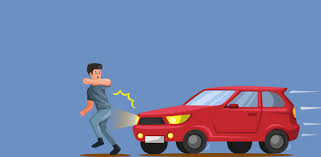
Pedestrians have the right of way in marked crosswalks.
Bicycle riders are expected to follow the same traffic laws as other vehicles, though there may be designated lanes for cyclists in some areas.
6. Motorcycle and Mopeds
Motorcyclists are required to wear helmets for safety, and their bikes must meet certain safety standards.
Mopeds and scooters often have specific speed limits and regulations that differ slightly from those of larger vehicles.
7. Parking Regulations
Illegal Parking: Parking in restricted areas (such as near fire hydrants, on sidewalks, or in spaces designated for handicapped individuals) is prohibited and may result in fines or towing.
Public Parking: Parking can be limited in some areas, particularly in urban centers. It's important to be aware of any local parking restrictions.
8. Road Maintenance and Conditions
While the road infrastructure in the Marshall Islands is generally good in urban areas, rural roads may sometimes be in poor condition. Drivers are encouraged to drive cautiously, especially during rainy weather when flooding can occur.
9. Penalties for Violations
Penalties for violating traffic laws can include fines, imprisonment (for severe offenses such as drunk driving), or suspension of the driver’s license. In some cases, offenders may be required to attend traffic safety courses.
10. Customs and Importation of Vehicles
If you are bringing a vehicle into the Marshall Islands, there are customs duties and taxes involved. Vehicles are typically imported through the capital, Majuro, and should meet local regulations.
11. Public Transport
Public transportation in the Marshall Islands is limited, with most people relying on personal vehicles. There are taxis and buses in some urban areas, but public transportation options are not as widespread as in larger countries.
Special Considerations:
Environmental Impact: Due to the Marshall Islands’ location in the Pacific Ocean, there is an increasing focus on environmental sustainability, including regulations that may encourage the use of electric vehicles (EVs) or lower-emission vehicles to reduce pollution.
Enforcement and Local Authorities:
The Marshal Islands Police and the Ministry of Public Works are primarily responsible for enforcing motor vehicle laws. Violations can result in tickets, fines, or arrest depending on the severity of the offense.
RELATED Blog



comments