Media law
ThikMedia Trial and its Impact on justice
Introduction -The media widely recognized as the fourth estate or fourth pillar of democratic society it plays a significant role in informing citizens about matters of public importance and creating awareness about the functioning of justice.
Article 19 (1)(a) of the constitution of India
Provides an important constructional foundation for freedom of the press.
Article 19 (2)-Reasonable Restrictions
Article 19 (2) Permits the state to impose reasonable restrictions on the freedom guaranteen under 19 (1)(a)on specified grounds.
These include
-
Security of the state
- Sovereignty and integrity of India
- Public onder
- Decency or morality
- Contempt of court
- Defamation
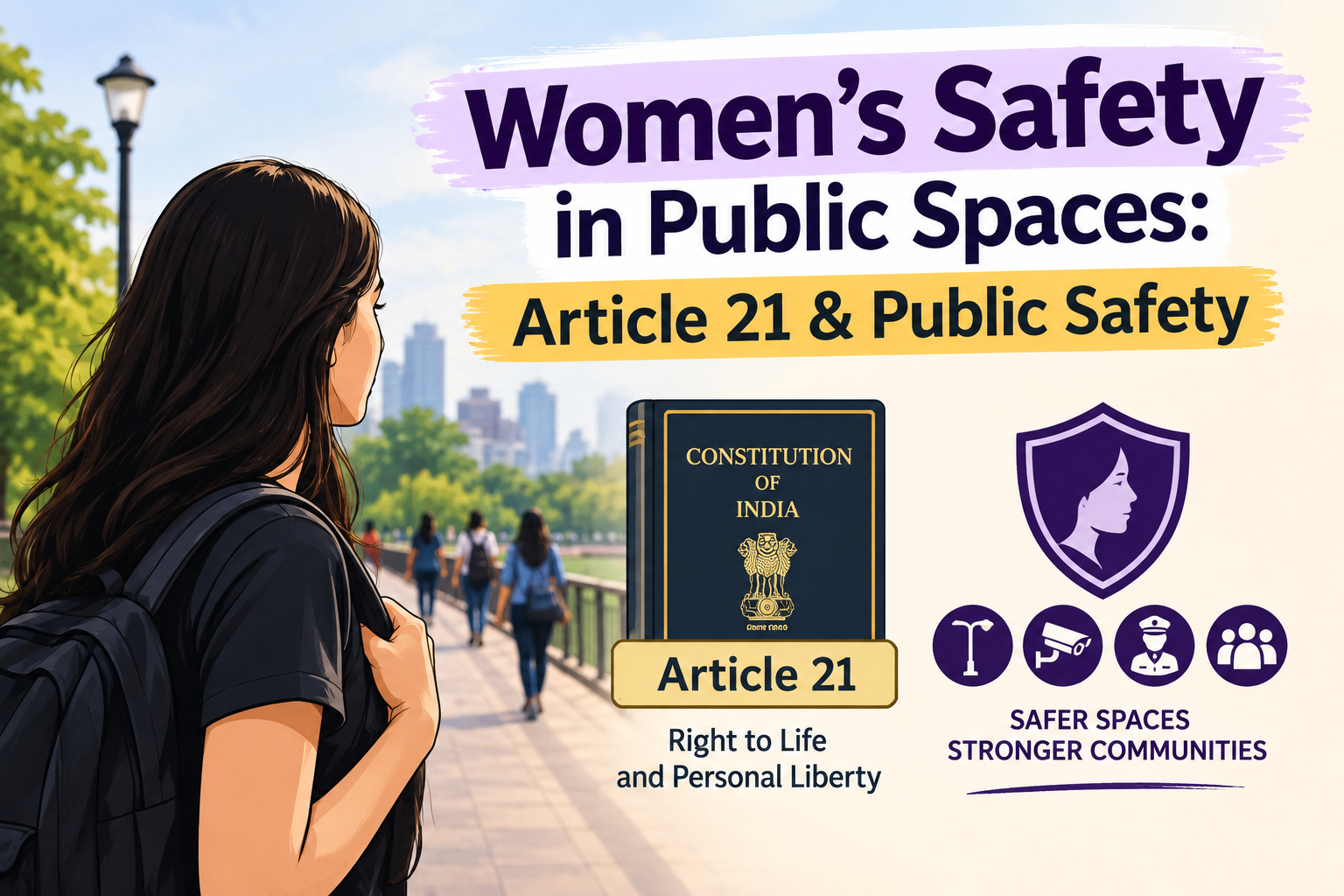
Article 21- Protection of life and personal liberty:
Article 21 provides that "No person shall be deprived of his life or personal liberty except according to procedure established by law.
Article 14 Equality Before law
Article 14 guarantees equity before the law and equal protection of law.
Article 32 Constitutional Remedies
Article 32 Provide the right to approach the supreme court for the enforcement of fundamental rights.
Contempt of court Act 1971
Section 2(c) of the contempt of court Act,1971 defines " Criminal Contempt.
Additional Case Law
R.K.Anand v. Register,Delhi High Court, (2009) 8 SCC 106
Facts of the case:
The case out of a criminal trial in which a sting operation was conducted in questions concerning media reporting, the conduct of persons involved in a trial and the proper administration of justice.
Principal -
The supreme court considered role of the media in exposing metter of public importance while also emphasising the need to protect the integrity of judicial proceedings.
The case illustrates the importance of maintaining a balance between freedom of the press and the administration of justice.
State of Maharashtra v. Rajendra J. Gandhi (1997)8 SCC 386
Important Case:
Sahana India Real Estate Corporation Ltd. v. SEBI
Facts of case
The case involved proceeding concerning SEBI and sahara.during the pendency of justice processing, questions arose concerning publication of material relating to matter before the court
The supreme court considered the relationship between freedom of speech justice and the need to protect pending judicial proceedings from prejudicial publicity.
Decision
The supreme court recognised that in appropriate circumstances, court can pass a post ponement order to temporarily restrict publication that may course prejudice to pending judicial proceedings.
Conclusion
Media has important role in informing society,but criminal guilt must ultimately be process.
Responsible reporting should distinguish between an allegations and a finding of guilt.
Legal Disclaimer:
The article is intended for general educational and informational purposes only.Its dose not constitute legal advice a legal opinion, or professional legal assistance.
My self name Shalu kushwaha Manu law college Maharajganj







comments